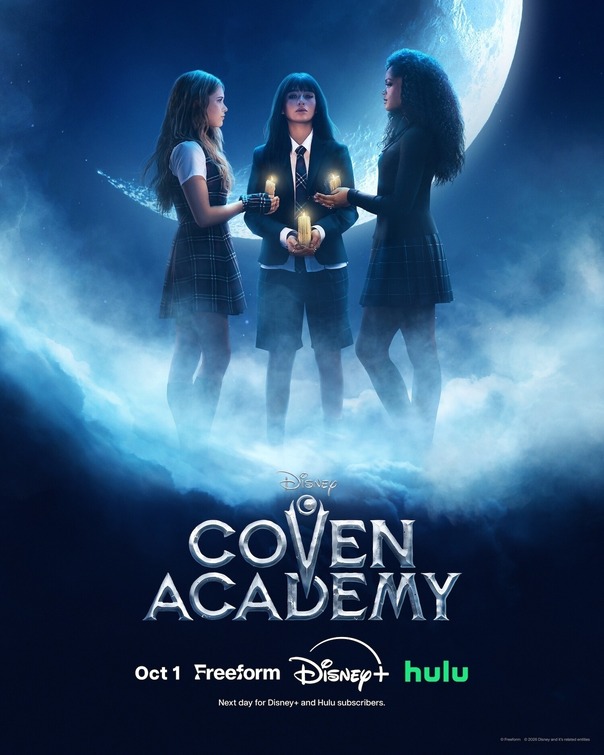
Coven Academy is a 2026 supernatural teen series created by Tim Federle, the writer-director behind High School Musical: The Musical: The Series, who also wrote and directed the pilot. A Freeform original that streams the next day on Disney+ and Hulu, it blends witchy coming-of-age drama with the glossy romance and humor of a classic young-adult ensemble.
Set in a richly atmospheric New Orleans, the series follows a group of teenage witches-in-training who must learn to master their powers while protecting the city from dangerous, ancient forces. Malina Pauli Weissman stars as Briar, with Tiffani Thiessen as the enigmatic Miss Graves and Malachi Barton among the young coven, as school rivalries, a simmering love triangle and genuine supernatural threats collide inside the walls of the academy.
Premiering on Freeform on October 1, 2026, with the full season landing on Disney+ and Hulu the following day, Coven Academy was moved over from an originally planned Disney Channel run to a slightly older-skewing home. It arrived aimed squarely at fans of supernatural teen soaps, mixing spellcraft, friendship and first love against a vividly gothic backdrop. It is streaming on Hulu and Disney+.
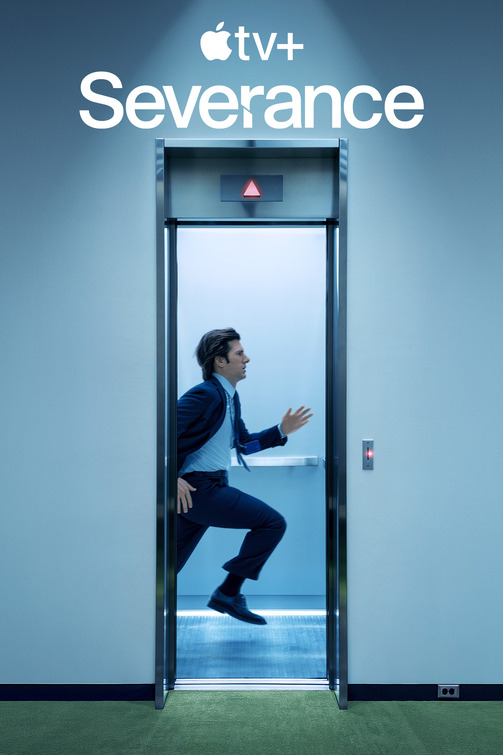
The second season of Severance picks up immediately after the explosive events of the season finale, with Mark Scout and his innie counterparts facing the full weight of what they've uncovered about Lumon Industries. The severed floor is in disarray, loyalties are tested, and the line between the innies' underground rebellion and the outies' oblivious surface lives grows increasingly dangerous.
Creator Dan Erickson and director Ben Stiller have crafted a season that doubles down on the show's signature atmospheric dread. The sprawling Lumon corridors feel even more labyrinthine, and the corporate rituals more sinister. New characters arrive who complicate the innies' fragile alliances, while the mysterious purpose of the severed program inches closer to revelation.
Adam Scott delivers a tour de force performance navigating the fractured psyche of Mark S., while Britt Lower, Zach Cherry, and John Turturro each get expanded arcs that redefine what it means to be severed. Severance Season 2 cements the show as one of television's most original and intellectually daring dramas.
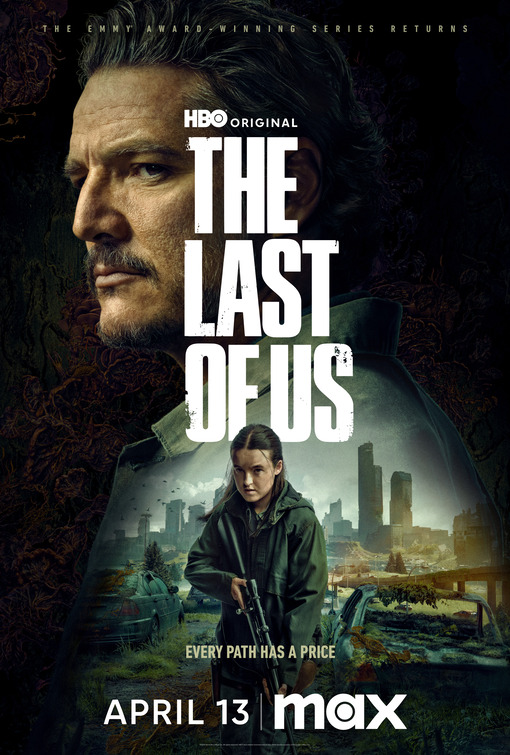
The second season of HBO's acclaimed adaptation arrives with the full weight of expectation and largely meets it. Craig Mazin and Neil Druckmann's continuation draws from the second game in the franchise, picking up several years after Season 1 as Ellie (Bella Ramsey) and Joel (Pedro Pascal) have built a life in the fortified settlement of Jackson, Wyoming. The fragile peace between them is about to be shattered, and the season's central dramatic engine is the chain of events that follows with devastating, morally complex momentum that the show refuses to simplify or sentimentalize.
Season 2 introduces Kaitlyn Dever as Abby, a character whose arc becomes increasingly central as the season progresses, and it's in the writing and performance of Abby that the season takes its boldest creative risks. The show is not afraid to make its audience uncomfortable or to withhold the easy emotional satisfactions that genre convention might demand — a fidelity to the source material that will divide audiences but gives the series a genuine sense of moral seriousness rare in prestige television. The production values remain extraordinary throughout.
The post-apocalyptic Pacific Northwest is rendered with a grim beauty that makes the world feel simultaneously lived-in and haunted. The Last of Us Season 2 is a harder watch than its predecessor, more willing to sit with grief and moral failure, and ultimately more ambitious in what it asks of both its characters and its viewers. Essential television for anyone willing to follow where it leads. Streaming on Max.
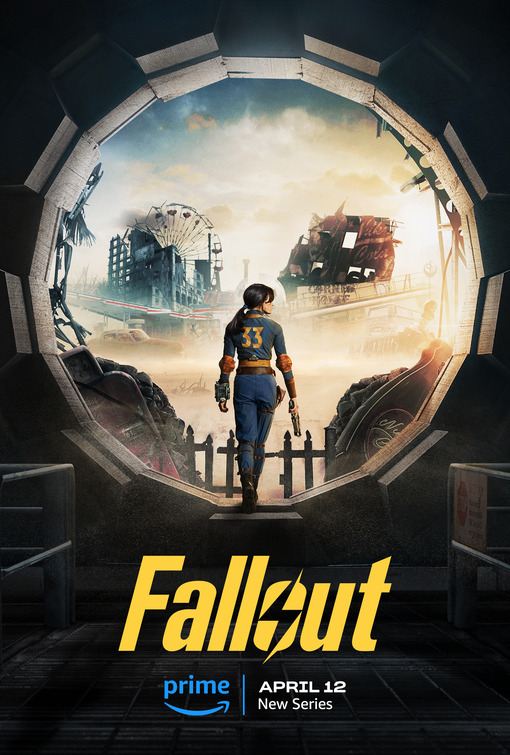
Fallout is Amazon Prime Video's bold and brilliantly realized adaptation of Bethesda's beloved video game series, set in a post-apocalyptic America where nuclear war has reshaped civilization into a darkly comic landscape of vaults, wastelands, and warring factions. The series follows three protagonists whose paths collide: Lucy, a sheltered vault dweller venturing into the surface world for the first time; The Ghoul, a morally ambiguous bounty hunter with centuries of memory; and Maximus, a young Brotherhood of Steel soldier navigating the rigid hierarchy of his order. Their intersecting journeys form a propulsive narrative that reveals the Fallout universe's lore with wit and invention.
Showrunners Geneva Robertson-Dworet and Graham Wagner, along with executive producer Jonathan Nolan, capture the games' distinctive tone equal parts post-apocalyptic horror and absurdist dark comedy, translating it to live action with a visual palette that feels unmistakably Fallout. Ella Purnell, Walton Goggins, and Aaron Moten lead the ensemble with performances that balance the show's tonal complexity, making characters who could easily become caricatures feel genuinely compelling. The production design meticulously recreates the retro-futurism of the games, from vault interiors to the desolate grandeur of the surface wasteland.
Fallout garnered universal acclaim and became one of Amazon's most-watched series at launch, proving that video game adaptations can succeed when creators approach the source material with both reverence and creative confidence. A second season has been confirmed, and the series reignited global interest in the game franchise, with Bethesda reporting significant increases in player numbers following its premiere.
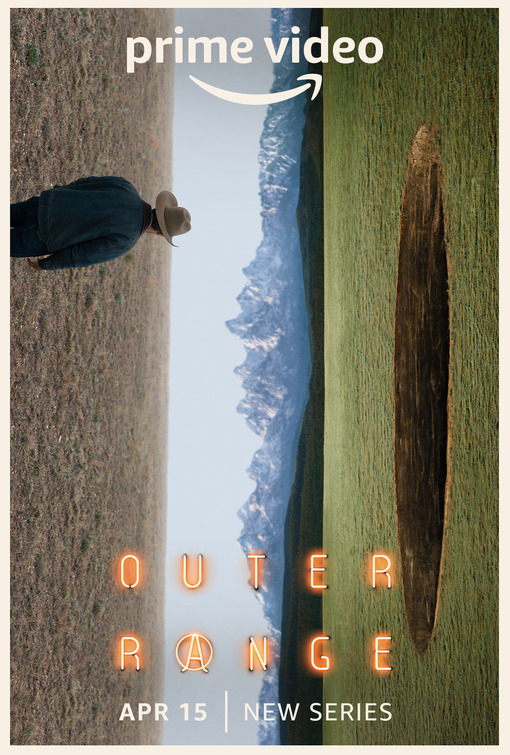
Outer Range returns for a second season that deepens the mysteries of the Abbott ranch and the impossible void that has consumed the Abbotts' lives. Josh Brolin delivers another towering performance as Royal Abbott, a Wyoming rancher whose discovery of a bottomless pit on his land has unravelled not just his family but the fabric of time itself. Season 2 expands the show's temporal scope dramatically, pulling characters across different eras and forcing confrontations between past and future selves that carry genuine emotional devastation. Creator Brian Watkins pushes the series' blend of Western mythology, existential dread, and hard science fiction into bolder territory, delivering one of Prime Video's most ambitious and singular dramatic offerings.
Alien: Earth is the television expansion of one of cinema's most iconic science fiction franchises, set in the year 2120 as a spacecraft crashes on Earth carrying a deadly cargo that humanity is wholly unprepared to face. Sydney Chandler leads the ensemble as Wendy, a synthetic human grappling with questions of identity and survival as Xenomorphs are unleashed on the planet for the first time. Showrunner Noah Hawley brings his precise, novelistic approach to the material, grounding the franchise's cosmic horror in intimate human stakes while expanding the mythology in directions even longtime fans will not anticipate. The series delivers the dread, the darkness, and the visceral alien terror the franchise demands while finding entirely new ways to make the familiar terrifying again.
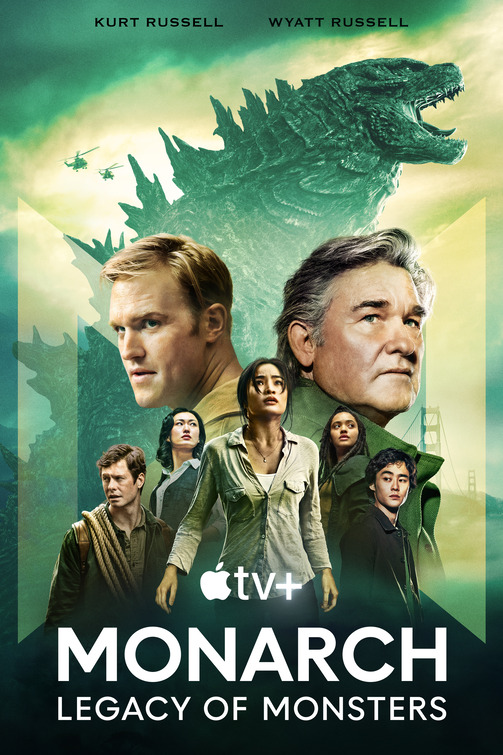
Monarch: Legacy of Monsters is the ambitious Apple TV+ series that expands the MonsterVerse — the shared cinematic universe spanning Godzilla and Kong films — into a rich, character-driven television narrative set across two different time periods. The first season weaves together storylines from 2015 and the 1950s to trace the founding of the mysterious Monarch organisation, which studies and conceals the existence of the massive ancient creatures known as Titans. Kurt Russell and his son Wyatt Russell play the same character at different ages, creating an unusual parallel performance dynamic that anchors the season's temporal structure.
Created by Chris Black and Matt Fraction, the show is notable for treating its MonsterVerse setting with genuine seriousness — the monsters are truly terrifying rather than merely spectacular, and the human characters are written with the kind of complexity rarely afforded to blockbuster franchise properties. Anna Sawai stars as Cate, a young woman who discovers her late father had a hidden connection to Monarch, and her grief-propelled investigation provides the emotional engine for the season's mystery.
Monarch delivered some of the most breathtaking kaiju sequences ever committed to a television screen while maintaining the quiet intimacy of a family drama about secrets, loss, and the weight of inherited choices. The show found an audience well beyond existing MonsterVerse fans, earning praise from critics who had assumed the genre could not support this level of character investment. Season 2, already in production, promises an even larger scale — setting the stage for what may become the definitive franchise television event of the streaming era.
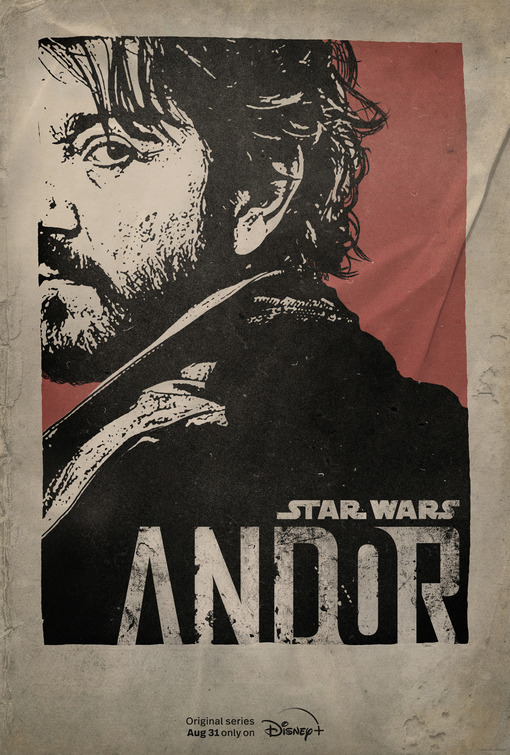
Andor Season 2 is the electrifying conclusion to what many critics consider the finest entry in the Star Wars television universe — a grounded, politically urgent spy thriller that strips the franchise down to its radical core. Returning showrunner Tony Gilroy brought back Diego Luna as Cassian Andor for this final twelve-episode run, taking the story right up to the events of Rogue One: A Star Wars Story and resolving the question of how an ordinary, deeply flawed man became the hero of the Rebel Alliance. The season was noted for its tonal maturity and its willingness to spend time with moral ambiguity rather than galactic spectacle.
Structurally innovative as ever, the second season is divided into four-episode arcs, each representing a different year in Cassian's journey toward sacrifice. The show continues to build out the political machinery of the Galactic Empire with a precision unusual for a franchise property — depicting the bureaucratic cruelty of occupation, the psychological cost of resistance, and the way ordinary people are ground up by systems far larger than themselves. Stellan Skarsgård, Genevieve O'Reilly, and Kyle Soller all return in roles that deepen substantially from their first-season appearances.
Andor Season 2 premiered on Disney+ in April 2025 to universal critical acclaim, with reviewers praising its novelistic ambition, its fearless willingness to follow through on character consequences, and its remarkable emotional payoff in a finale that recontextualises both the season and the entire first season. It stands as a rare case of a second season surpassing its predecessor and as a defining achievement in the streaming era of television.