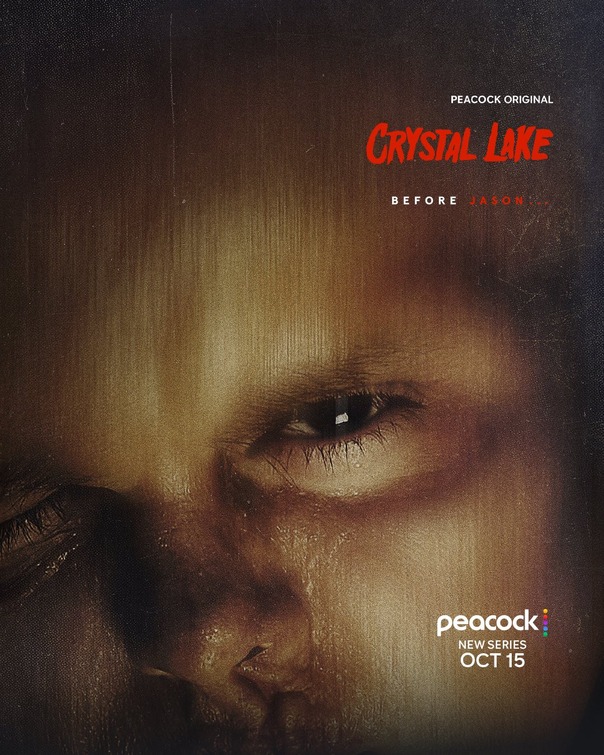
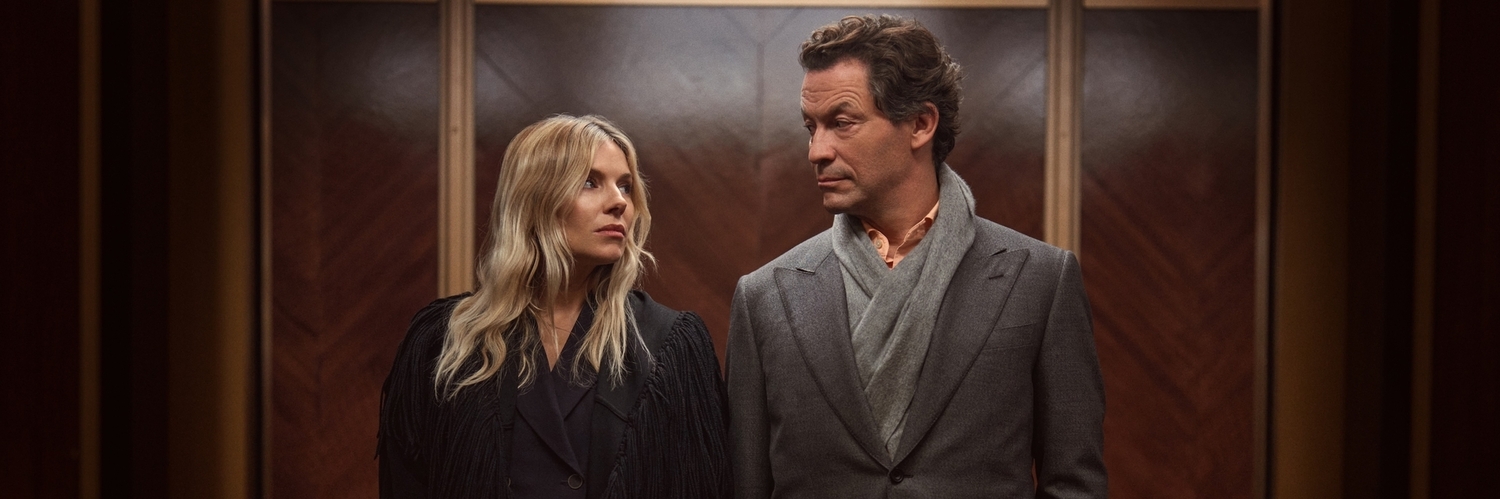
Crystal Lake is not streaming yet. Peacock will release all eight episodes in the United States on October 15, 2026. As of October 11, Peacock limits its service to the United States and certain U.S. territories, so viewers elsewhere should check an authorized local distributor rather than assume the same release.
The Friday the 13th prequel centers on Pam Voorhees, a single mother still grieving almost a year after her young son Jason drowned in the town lake. When two strangers arrive asking about her past, their questions set off a disturbing chain of events across Crystal Lake. Linda Cardellini leads the cast with William Catlett, Devin Kessler, Cameron Scoggins and Gwendolyn Sundstrom. Brad Caleb Kane created, wrote and executive-produced the series; Michael Lennox, Celine Held, Logan George and Quyen Tran directed its eight episodes.
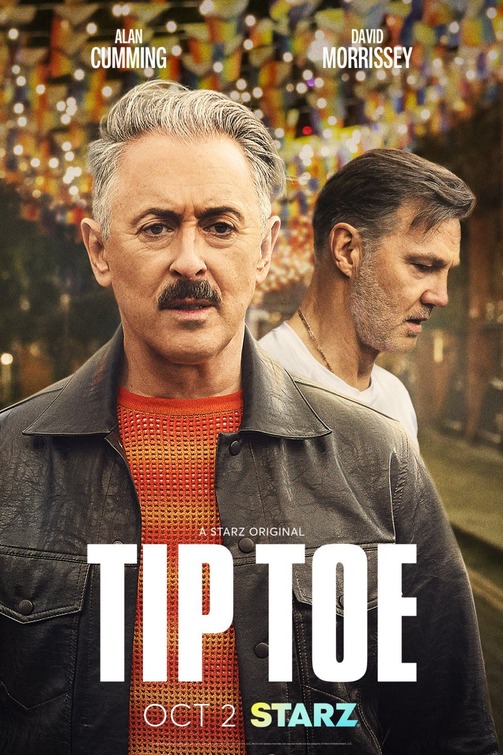
Tip Toe is a 2026 British psychological thriller created and written by Russell T Davies, the acclaimed writer behind Doctor Who, Queer as Folk, and It's a Sin. Originally broadcast on Channel 4 in the United Kingdom, the five-part miniseries was acquired by Starz for its United States debut in October 2026. Directed by Peter Hoar, it is a taut, unsettling chamber piece about how quickly ordinary neighborliness can curdle into something far darker.
Alan Cumming stars as Leo Struthers, a Scottish-born gay man who runs a bar in Manchester, opposite David Morrissey as Clive Goss, the electrician who lives next door. What begins as everyday friction between two neighbors escalates, episode by episode, into bitter enmity, inflamed by online conspiracy theories, corrosive rhetoric, and a conflict that increasingly centers on Clive's teenage son. Davies uses the shrinking space between two front doors to dramatize how fear and resentment can be weaponized within a community.
The series drew strong reviews and sizable audiences in the UK, with critics praising the ferocious central performances and Davies's willingness to grapple with contemporary anxieties, even as its charged subject matter sparked debate. Tense, timely, and anchored by two commanding actors, it is a snapshot of a fracturing world. Tip Toe is streaming on Starz.
Small Prophets is an Apple TV+ comedy created, written, and directed by Mackenzie Crook, the BAFTA-winning actor-turned-filmmaker whose beloved Detectorists made him a master of gentle, melancholy British comedy. The six-episode first season premiered in October 2026 with a weekly rollout, blending Crook's trademark deadpan warmth with a streak of fantasy and flashes of animation. Filmed in and around Manchester, it channels the small-scale magic of ordinary English life.
Pearce Quigley stars as Michael Sleep, a quietly heartbroken man who works at a DIY store and still aches, seven years on, over the unexplained disappearance of his partner Clea. When his father (Sir Michael Palin) shares a bizarre old recipe — rainwater, horse manure, and a dash of alchemy — Michael sets out to conjure homunculi, tiny magical spirits said to be able to see the future, hoping they can tell him whether he will ever see Clea again. His young coworker Kacey (Lauren Patel) becomes his unlikely accomplice, united partly by their shared contempt for the store manager Gordon (Crook himself), while nosy neighbors grow obsessed with the goings-on in his garden shed.
The series arrived garlanded with acclaim, holding a perfect critics' score and winning the top International Panorama prize at the Series Mania festival earlier in the year. Crook again mines the comedy and quiet sorrow of unremarkable lives, finding the uncanny in a suburban shed. Small Prophets is streaming on Apple TV+.
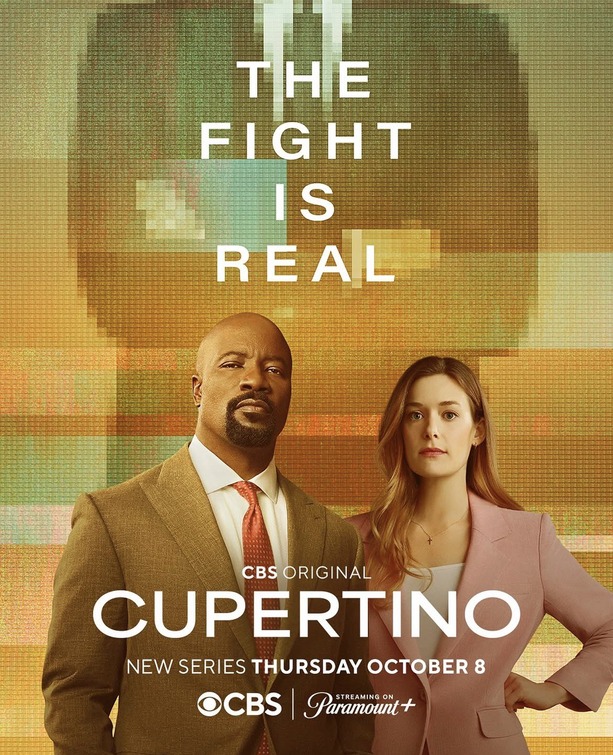
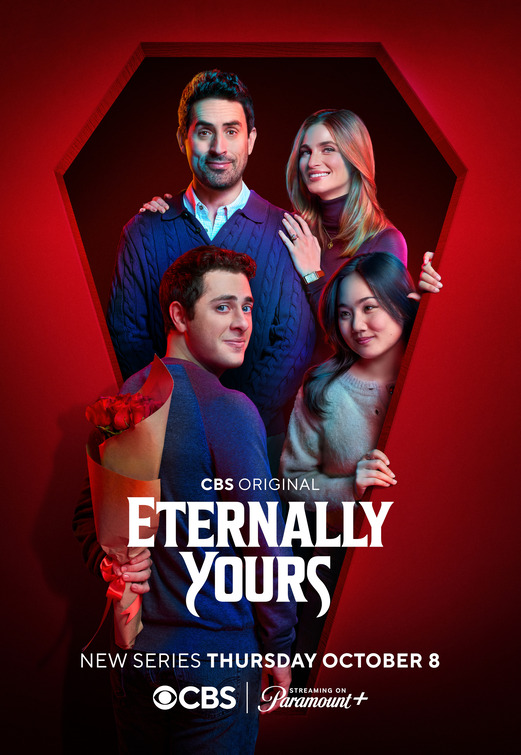
Cupertino is available in the United States through Paramount+. The legal drama premiered on CBS on October 8, 2026; Paramount+ Premium carries the broadcast live and on demand, while Essential makes each episode available on demand the day after it airs. Those plan terms were checked on October 11.
Mike Colter plays Michael Price, a lawyer fighting a former tech-startup employer that is denying him stock options. He joins forces with another recently fired attorney, Olivia Siffre, played by Rachel Keller, to represent people harmed by Silicon Valley's most powerful companies. Robert and Michelle King bring their legal-drama experience to the series as creators and executive producers, with Liz Glotzer and Sam Hoffman also executive-producing for CBS Studios.
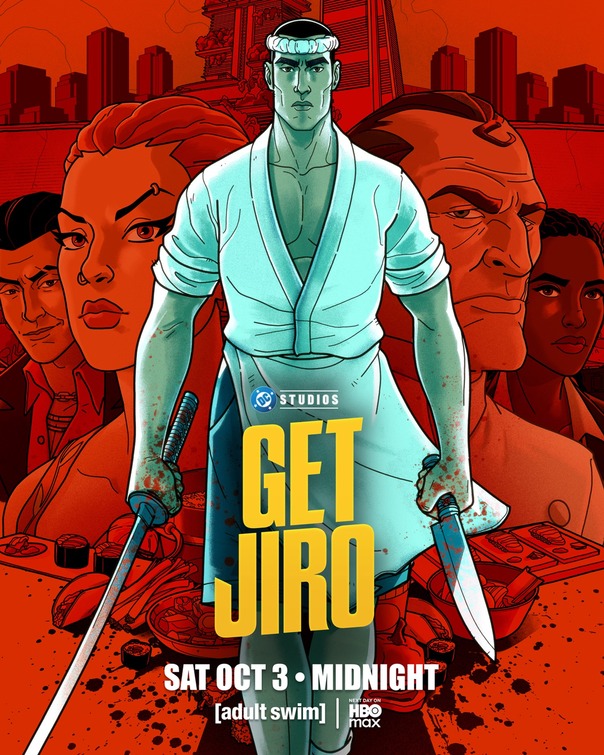
Get Jiro is an adult animated series based on the 2012 graphic novel co-created by the late chef and writer Anthony Bourdain with Joel Rose. Produced by Warner Bros. Animation for Adult Swim, it premiered at midnight on October 3, 2026, on the late-night block and began streaming on HBO Max the following day, arriving as a rare posthumous realization of a passion project from one of food culture's most beloved voices.
Set in a dystopian near-future Los Angeles where chefs wield the power of warlords and a diner's choices can be punishable by death, the series follows Jiro, a master sushi chef (voiced by Brian Tee) so devoted to his craft that he will kill a customer for dunking nigiri in too much soy sauce. Caught between Bob, a tyrannical kingpin of haute cuisine, and Rose, the leader of a militant vegan-anarchist faction, Jiro must navigate a city at culinary war while his uncompromising standards threaten to put his own restaurant out of business. Across ten roughly twenty-minute episodes, it channels Bourdain's blend of snobbery, generosity, and dark humor into gleefully violent satire.
Developed for the screen by Alessandro Tanaka and Brian Gatewood, the series was embraced by critics as a fittingly deranged tribute to Bourdain's worldview — the idea that food is a lens for understanding culture, class, and appetite. Its gory, hyper-stylized action and insider foodie wit make it unlike anything else on the schedule. Get Jiro is streaming on HBO Max.
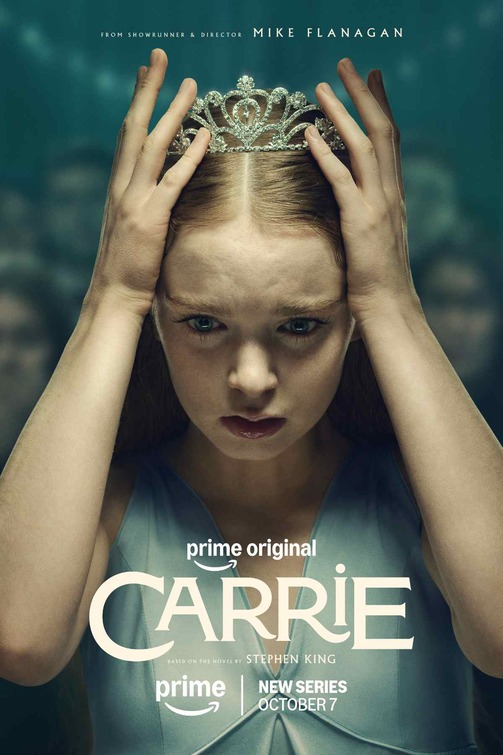
All eight episodes of Carrie are streaming on Prime Video. Amazon released the complete season globally on October 7, 2026; viewers should still confirm that the title appears in their local Prime Video catalog. Availability was checked on October 11.
Mike Flanagan's first television adaptation of Stephen King's debut novel follows Carrie White, played by Summer H. Howell, after her father's death sends her into public high school. A viral bullying scandal and the pressures of social media accompany the awakening of her telekinetic powers. Samantha Sloyan plays Carrie's fiercely protective mother Margaret, with Siena Agudong, Alison Thornton, Joel Oulette, Josie Totah, Arthur Conti, Amber Midthunder and Matthew Lillard in the ensemble.

All seven episodes of East of Eden are streaming on Netflix. The limited series launched globally on October 1, 2026; viewers should verify access in their local Netflix catalog. Availability was checked on October 11.
Zoe Kazan adapts John Steinbeck's 1952 novel as a family saga spanning decades between the American Civil War and World War I. Florence Pugh plays Cathy Ames, whose choices reshape the lives of Adam and Charles Trask, played by Christopher Abbott and Mike Faist. The story follows the darker side of the California dream through two generations, with Hoon Lee, Tracy Letts, Ciarán Hinds and Martha Plimpton among the ensemble. Kazan wrote and executive-produced the seven-episode series.
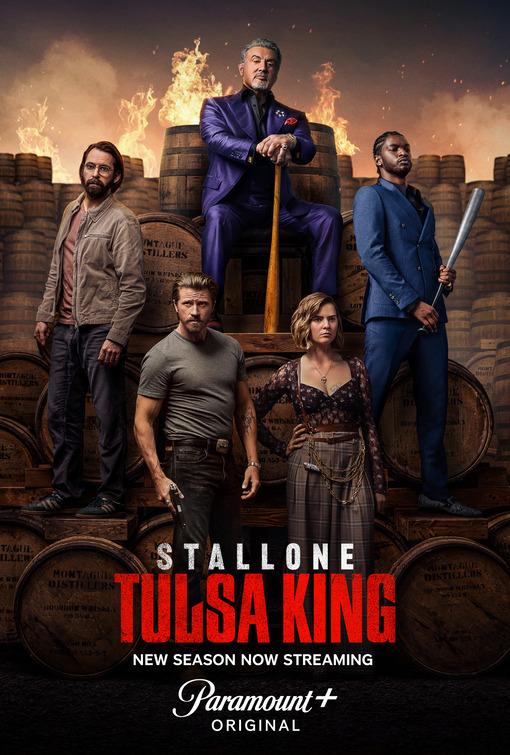
Tulsa King Season 4 continues Dwight “The General” Manfredi’s attempt to turn the criminal organization he built in Oklahoma into something durable. Sylvester Stallone returns as Dwight, while the new season places his crew under pressure from corrupt political power, new enemies and a personal loss.
As of October 11, 2026, Season 4 has not started streaming. Paramount+ has scheduled the premiere for Friday, October 16, followed by weekly episodes. The provider has not announced a final Season 4 episode count, so this page does not infer one; the first three seasons, totaling 29 episodes, remain available on Paramount+.
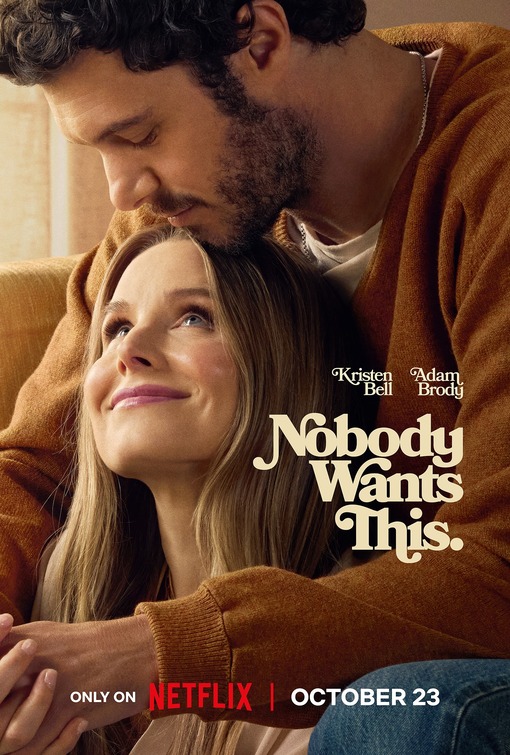
Nobody Wants This Season 3 follows Joanne and Noah after they recommit to their relationship and move in together. Kristen Bell and Adam Brody return as the couple balancing love, faith and family, while Morgan’s growing career and the shifting relationships around Sasha and Esther keep the ensemble in motion.
As of October 11, 2026, Season 3 is not yet streaming. Netflix has confirmed that all 10 episodes will debut together on October 22, 2026. This corrects the previously listed October 23 date and avoids presenting the unreleased season as already playable.
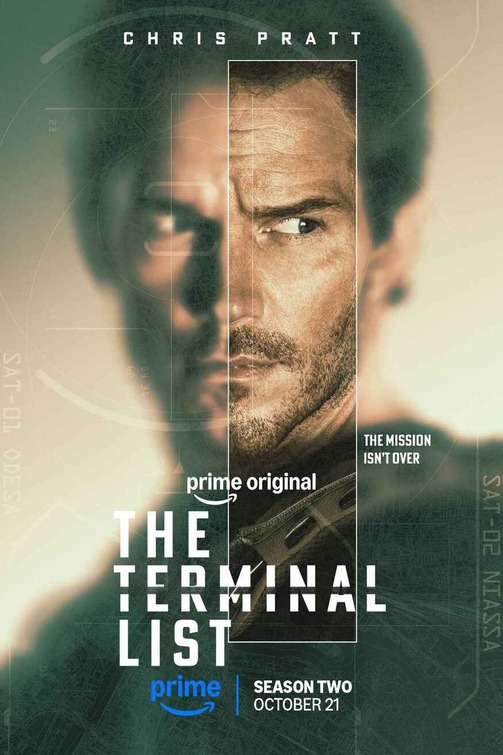
The Terminal List Season 2 brings Chris Pratt back as former Navy SEAL James Reece and adapts Jack Carr’s novel True Believer. Reece is searching for purpose when the CIA corners him into another mission, exposing a conspiracy that connects Moscow, Langley and his own family.
As of October 11, 2026, the season is not yet streaming. Prime Video has confirmed that all eight episodes will premiere on October 21, 2026, exclusively on the service. The answer block therefore links to the official title page without implying that Season 2 can already be watched.
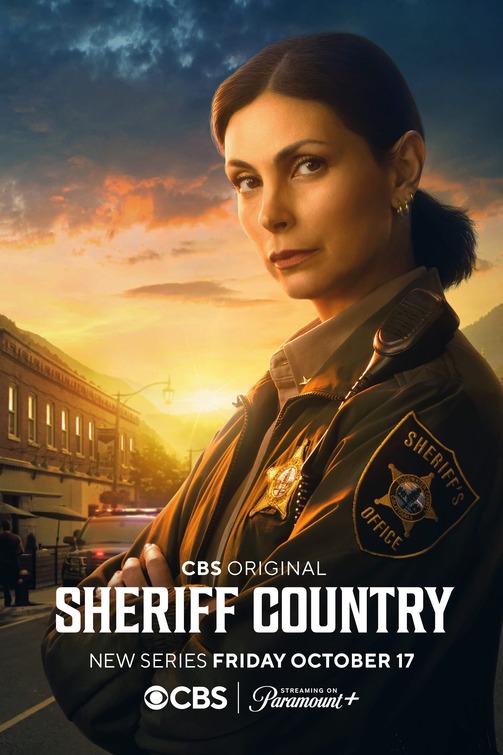
Sheriff Country follows Morena Baccarin’s Mickey Fox, the sheriff responsible for Edgewater and the surrounding rural county in the expanding Fire Country universe. The procedural cases are tied to Mickey’s family and personal conflicts, so crimes in the community rarely stay separate from her private life.
Paramount+ currently carries all 20 episodes of Season 1 and the Season 2 premiere, “Cyclone,” for 21 available episodes as of October 11, 2026. Season 2 is still in progress, with new episodes airing weekly on Fridays; Paramount+ has not announced a final Season 2 episode total.