
Marvel Zombies is an adult animated horror series from Marvel Studios Animation, created by Bryan Andrews and Zeb Wells for Disney+. Expanding the fan-favorite "What If…? Zombies?!" episode into its own story, it drops a roster of familiar heroes into an alternate timeline overrun by a superpowered undead plague.
A band of survivors — including Kamala Khan / Ms. Marvel (Iman Vellani), Kate Bishop (Hailee Steinfeld), and Riri Williams / Ironheart (Dominique Thorne) — fights across a ruined landscape in search of a way to end the outbreak, all while battling zombified versions of the Marvel Cinematic Universe's most powerful figures. The voice cast also features Elizabeth Olsen, Simu Liu, Florence Pugh, Paul Rudd, and Tessa Thompson.
Premiering in September 2025, the four-episode series became Marvel Studios Animation's first project to carry a TV-MA rating, leaning into gore and body horror that its live-action counterparts avoid. Critics gave it a 66% Rotten Tomatoes score, calling it a gleefully cruel treat for both MCU fans and horror lovers.
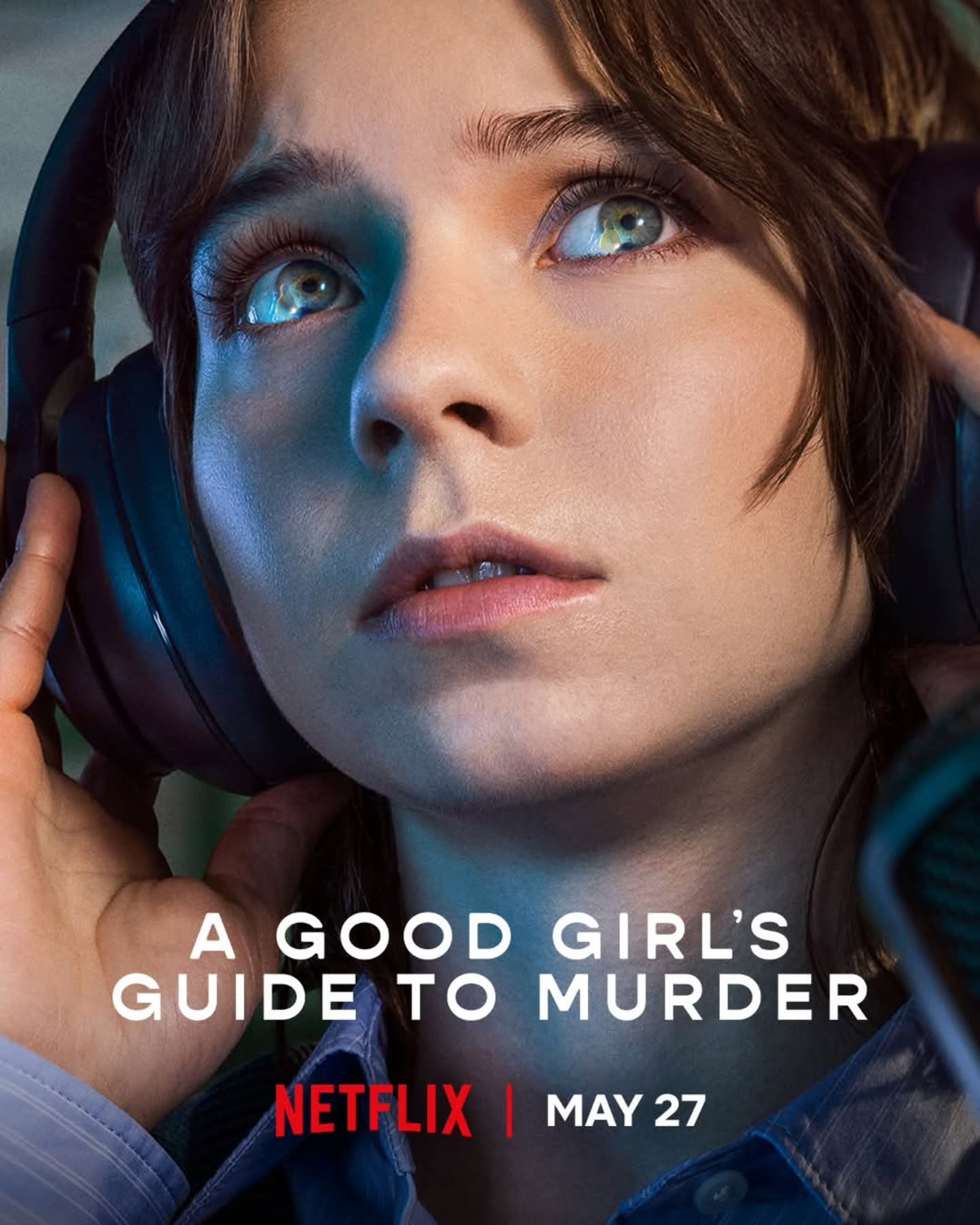
A Good Girl's Guide to Murder is the compulsive young-adult crime thriller that took the world by storm, adapted from Holly Jackson's beloved bestselling novel and brought to stunning life as a limited series. Emma Myers stars as Pip Fitz-Amobi, a determined and fiercely intelligent teenager who chooses a five-year-old local murder case as her senior school project, convinced that the supposed killer — a teenage boy who also died — was actually innocent. As Pip digs deeper, she uncovers layers of small-town lies, buried secrets, and genuine danger that make it increasingly clear the case was never as closed as everyone insisted. The series captures the addictive quality of Jackson's prose with exceptional fidelity, delivering a thriller that respects its young audience's intelligence while delivering genuine suspense at every turn.
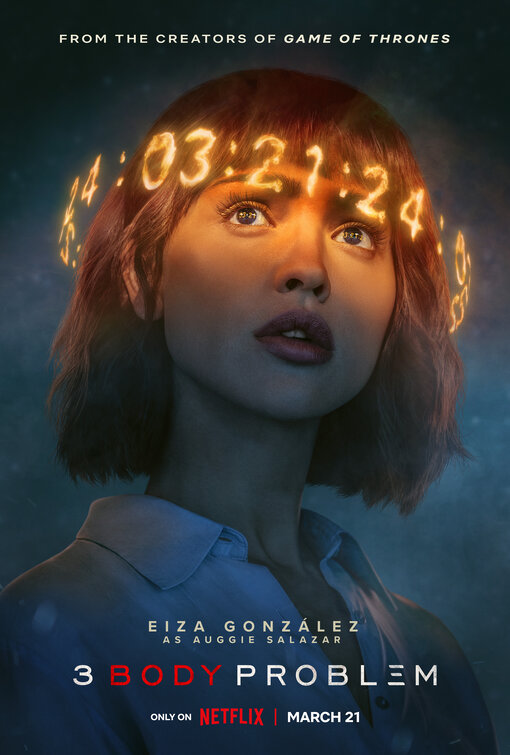
3 Body Problem is Netflix's landmark science fiction drama adapted from Liu Cixin's celebrated novel trilogy, created by David Benioff, D.B. Weiss, and Alexander Woo and produced with the scope and ambition of a prestige cinematic event. The story moves across time and space — from the Cultural Revolution in 1960s China to the present-day research labs of Oxford and San Francisco — following scientists who discover that humanity is being observed by an alien civilization that has spent four hundred years preparing to invade. The premise requires the audience to expect that physics itself might be unreliable, and the show earns that trust through the accumulated force of its characterization.
The ensemble cast includes Eiza González, Jovan Adepo, John Bradley, Liam Cunningham, and Benedict Wong as the Oxford Five, researchers whose work becomes the front line of humanity's scramble to understand what is coming and whether anything can be done to survive it. Zine Tseng gives a devastating performance as the young Ye Wenjie, whose childhood trauma during the Cultural Revolution becomes the pivot point for the entire narrative. The show handles its scientific concepts with genuine seriousness — the three-body problem of its title is a real mathematical puzzle whose chaotic implications are used as both metaphor and plot engine.
3 Body Problem premiered in March 2024 to strong critical reception that praised its ambition, its willingness to sit with scientific complexity, and its emotional investment in characters who face an existential threat on a scale no prior narrative has successfully dramatized. The show is a bold and difficult translation of source material that many considered unfilmable, and its success confirmed that the most challenging speculative fiction can find a broad audience when its human stakes are made undeniable. It streams on Netflix.
Black Mirror is the enduringly essential British anthology series created by Charlie Brooker, now in its seventh season on Netflix, that uses standalone episodes of near-future speculative fiction to examine how technology reshapes human behavior, relationship, and identity in ways we are too close to see clearly. Each episode tells a completely different story with a different cast, genre, and tonal register — from psychological horror to romantic tragedy to pitch-black satire — unified only by the show's central conviction that technology is not neutral, that every convenience carries a hidden cost, and that the most disturbing futures are the ones that feel closest to Tuesday.
The series has produced some of the most discussed single episodes in the history of prestige television — San Junipero, Nosedive, USS Callister, and Bandersnatch among them — and continues in its newer seasons to generate episodes capable of entering cultural conversation as serious works of speculative literature rather than genre entertainment. Brooker's facility for imagining the specific, plausible ways that human weakness interacts with technology gives each story a uniquely uncomfortable proximity; the horrors in Black Mirror are rarely the kinds that require suspension of disbelief, because they are already visible in outline in technologies that exist.
Black Mirror returned for its seventh season in 2025, continuing to demonstrate that the anthology format — long declared dead by streaming era conventional wisdom — is in fact the perfect container for Brooker's particular vision, allowing each episode to take its premise to its full conclusion without the compromises serialized storytelling demands. The series remains required viewing for anyone interested in how science fiction functions as social criticism, and a reliable source of the television year's most unsettling hour. It streams on Netflix.
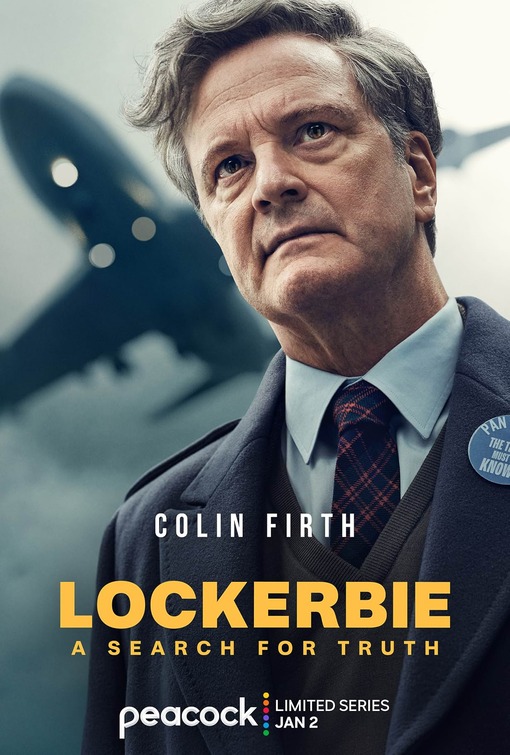
On December 21, 1988, Pan Am Flight 103 exploded over the Scottish town of Lockerbie, killing all 259 people aboard and 11 on the ground — the deadliest terrorist attack on British soil and one of the defining tragedies of the late Cold War. Among the dead was Flora Swire, a 23-year-old medical student. Her father, Dr. Jim Swire, would spend the following three decades refusing to accept the official account of what happened and who was truly responsible. Lockerbie: A Search for Truth, a Peacock limited series starring Colin Firth as Dr. Swire, tells the story of that pursuit — one man's decades-long demand for justice and his evolving understanding of a crime whose full truth remains contested.
Written by Patrick Moran and directed with measured gravity, the series is a procedural in the deepest sense: a step-by-step account of how an ordinary man — a family physician with no intelligence background — became one of the world's most persistent civilian investigators of a state-level terrorist act. Firth's performance is a study in controlled anguish, the grief of a father channeled into the meticulous discipline of inquiry. The series spans three decades, following Swire through the investigation, the trial of Libyan intelligence operative Abdelbaset al-Megrahi, Megrahi's controversial release in 2009, and the still-unresolved questions about the bombing's full context.
Lockerbie: A Search for Truth arrives on Peacock as one of the most substantive and emotionally demanding true-crime series in recent years — a show that takes its subject's complexity seriously and refuses the satisfactions of resolution. Dr. Swire himself cooperated with the production, lending it access and perspective that gives the series its moral ambiguity and its force. Five episodes that together constitute one of television's most rigorous engagements with the question of what justice means when the full truth cannot be known.
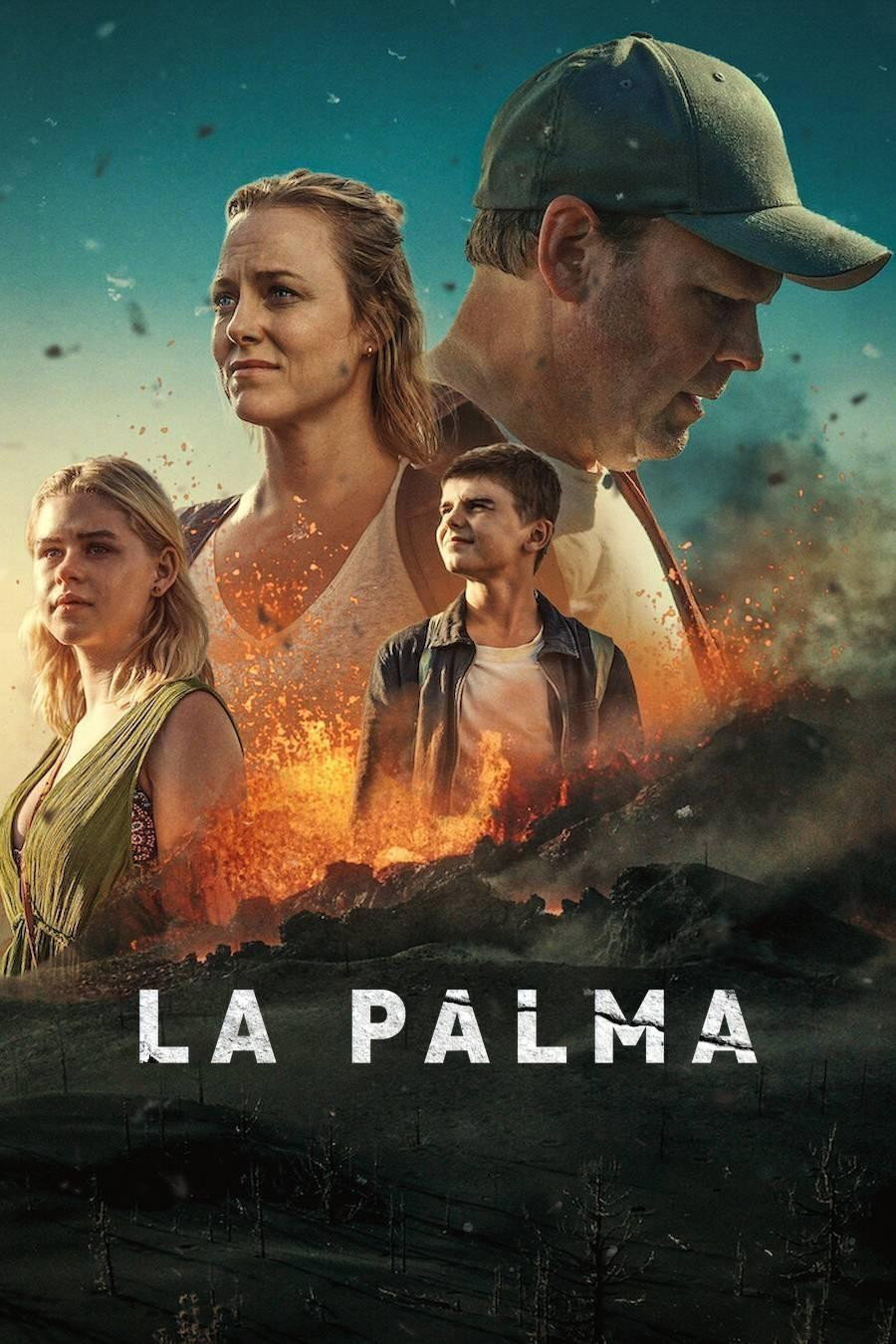
La Palma is a gripping Norwegian disaster drama from Netflix that takes its name from the volcanic island in the Canary Islands chain — a real geological hotspot that scientists have long warned could produce a catastrophic Atlantic tsunami if its western flank were to collapse. The series follows multiple characters on both the island and in Norway as a volcanic eruption escalates beyond all predictions, forcing impossible decisions about evacuation, communication, and the management of panic across two countries simultaneously.
The show belongs to a rich tradition of Nordic disaster and thriller storytelling — precise, character-driven, willing to sit with ambiguity and dread — while drawing specifically from the legacy of Norwegian genre television that includes Occupied and Wisting. Its split focus between La Palma and Norway is both a geographical and thematic device: the series is as interested in how warning systems fail and how institutions respond to crises as it is in the human stories of those directly in the eruption's path. The science is taken seriously, the politics of disaster management are scrutinized, and the personal stakes are never used to simplify what is essentially a systemic story.
La Palma arrived on Netflix as a binge-worthy thriller that doubled as a serious examination of climate vulnerability and emergency preparedness. Filmed partly on location in the Canary Islands and partly in Norway, the series has a visual scope that matches its narrative ambition. It was praised for its restraint — the disaster film's instinct toward spectacle is deliberately held back in favor of procedure, character, and the specific texture of waiting for something catastrophic to either arrive or not. Essential viewing for fans of Nordic drama and anyone drawn to real geological threats.

Apple Cider Vinegar is Netflix's audacious dramatization of one of the most brazen wellness frauds in recent memory — the story of Belle Gibson, the Australian Instagram influencer who built a multimillion-dollar empire on the false claim that she had healed terminal cancer through diet and alternative remedies. Alycia Debnam-Carey stars as Milla (a fictionalized version of Gibson), a young woman who discovers that fabricating a health narrative brings her the connection, meaning, and income that eluded her in her actual life. The series traces the rise and fall of her empire with savage wit and uncomfortable sympathy.
Created by Samantha Strauss and produced in Australia, the series is as interested in the cultural ecosystem that makes frauds like Gibson possible as it is in Gibson herself. It examines the wellness industrial complex — the unregulated testimonial economy of social media, the monetization of vulnerability, the way illness narratives confer moral authority — with the analytical sharpness of a long-form investigation and the visual energy of a thriller. Debnam-Carey's performance is a high-wire act: she makes Milla comprehensible without making her sympathetic, letting the audience understand the hunger driving the lie without excusing its consequences for the cancer patients who trusted her.
Apple Cider Vinegar arrived on Netflix in February 2025 as one of the most discussed new series of the year, praised for its formal ambition and its willingness to interrogate not just its subject but the audience's own relationship to wellness culture. The show's tagline — "A true-ish story, based on a lie" — sets its tone perfectly: a work that knows the difference between truth and narrative, and explores what happens when the two are deliberately confused. It stands as a cautionary tale for the social media age and riveting, uncomfortable television.
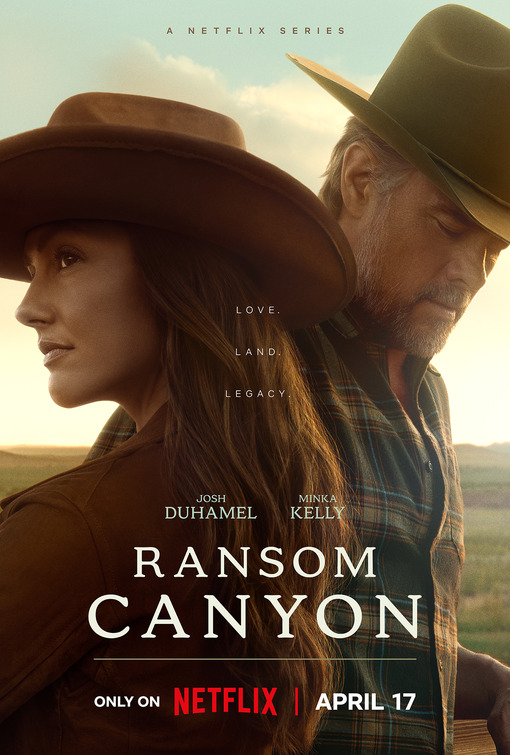
Based on the beloved novels of Jodi Thomas, Ransom Canyon brings the sweeping romance of the Texas Panhandle to Netflix with Josh Duhamel and Minka Kelly as the leads of a multigenerational love story rooted in land, loyalty, and the long shadows that family history casts across our choices. Set in the rugged landscape of West Texas, the series follows Staten Kirkland (Duhamel), the taciturn owner of the vast Kirkland Ranch, and the complicated history between him and Quinn O'Grady (Kelly) — a woman from a neighboring property whose connection to Staten has never fully resolved despite the years and circumstances separating them.
Ransom Canyon works in the tradition of the great American ranch romance, with the visual grandeur of a landscape that demands large screens and the narrative patience of a story interested in people who have lived long enough to accumulate regret. Thomas's novels have sold millions of copies and built a devoted readership precisely because they take their characters' interiority seriously — these are not people who fall in love easily or without consequence, and the series honors that weight. The supporting ensemble deepens the drama by expanding the story beyond its central couple to encompass an entire community navigating change, inheritance, and what it means to stay.
Ransom Canyon premiered on Netflix on April 17, 2025, and became an immediate sensation among viewers drawn to character-driven drama with authentic regional specificity. Praised for its cinematography — West Texas has rarely looked this formally beautiful on a streaming series — and for the lived-in chemistry between Duhamel and Kelly, the show transcends its genre's conventional playbook. It is a series about roots: the ones that hold us to places and people, and the ones that have to be severed before anything new can grow.
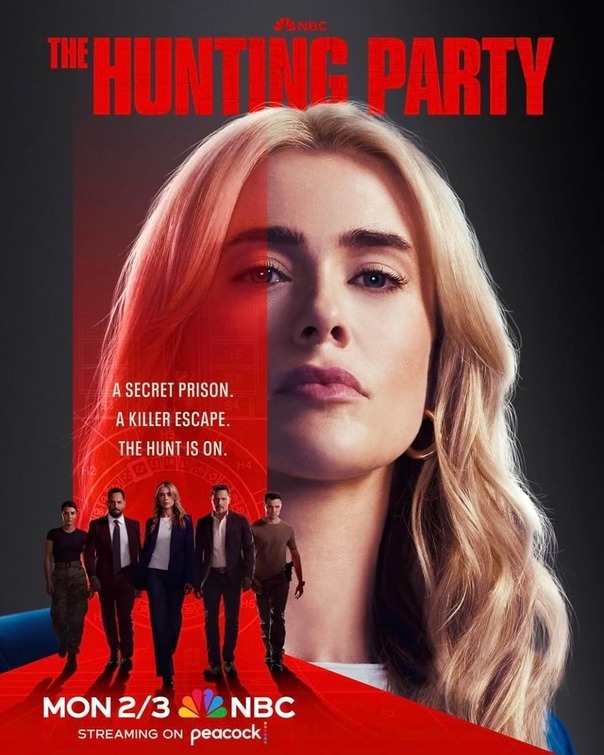
The Hunting Party is a propulsive NBC thriller built around the most dangerous kind of premise: a secure facility housing the world's most dangerous criminals has been breached, and its most unpredictable inmate has escaped. The series follows a specialized elite unit tasked with tracking down the fugitive before they can vanish permanently — a mission that requires the team to think as their quarry does, entering the psychology of someone for whom violence is a first language and evasion is a survival art.
Designed as a tightly wound procedural with a serialized spine, the series benefits from writing that builds tension methodically across each episode while revealing backstory and character in the margins between action sequences. The show draws from the tradition of American cat-and-mouse thrillers — from The Fugitive to Mindhunter — while infusing its premise with contemporary urgency and a genuine interest in the institutional failures that allow someone this dangerous to escape in the first place. The team dynamic at the show's center is one of its strongest elements, each member bringing different expertise to a problem that requires every skill collectively possessed.
The Hunting Party premiered on NBC on February 3, 2025, and became one of broadcast television's most watched new series of the midseason, driven by word-of-mouth enthusiasm for its tightly constructed pilot. Available to stream on Peacock immediately after broadcast, the series represents NBC's commitment to populist genre entertainment executed with genuine craft — a thriller that provides the satisfactions of its form while gesturing toward something larger about the nature of justice and the people tasked with enforcing it.
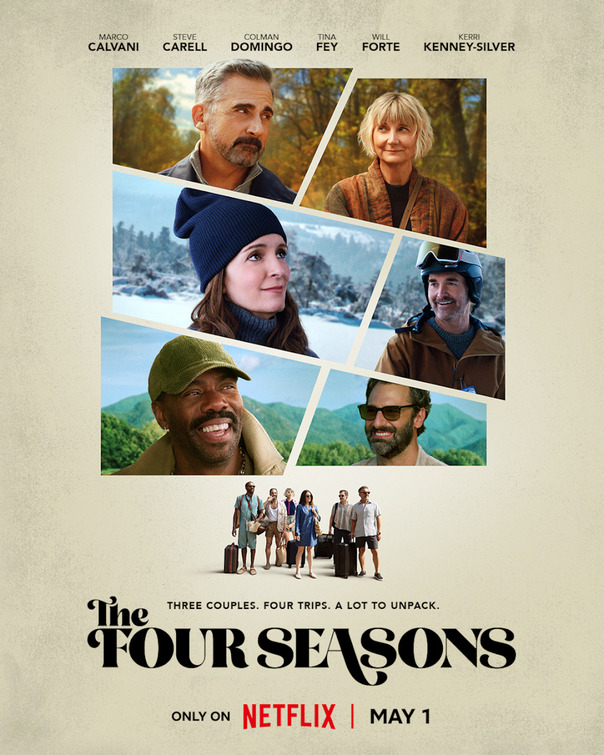
Netflix's The Four Seasons is a warm and quietly heartbreaking comedy about middle age, long marriages, and the way friendships both sustain and complicate our lives. Based on Alan Alda's beloved 1981 film of the same name, the series follows three couples who vacation together across four seasons: spring, summer, fall, and winter. What begins as a celebration of decades-long friendship becomes a reckoning with everything those decades contain, including the secret that one couple is separating — and the disruption that announcement sends through the entire group.
Tina Fey heads the ensemble and her presence — both as a creative force and its most prominent face — gives the show much of its tonal intelligence. The comedy is deeply funny in the way that only works rooted in emotional honesty can be: the laughs arrive from truth, not from performance. Steve Carell, Colman Domingo, Will Forte, Marco Calvani, and Kerri Kenney-Silver round out an ensemble that plays with the genre's romantic comedy conventions while consistently exceeding them. The series never condescends to its characters — these are people in the middle of their lives, trying to figure out what still matters.
The Four Seasons arrived on Netflix as a passionate alternative to youth-fixated content, and found an immediate audience among viewers hungry for comedy that took adult relationships seriously. Praised for the naturalistic ease of its ensemble performances, for each seasonal episode's distinct mood, and for Fey and her collaborators' refusal to resolve the show's central tensions too neatly, it quickly became one of the platform's most-discussed originals of the year. Three couples. Four trips. A lot to unpack.
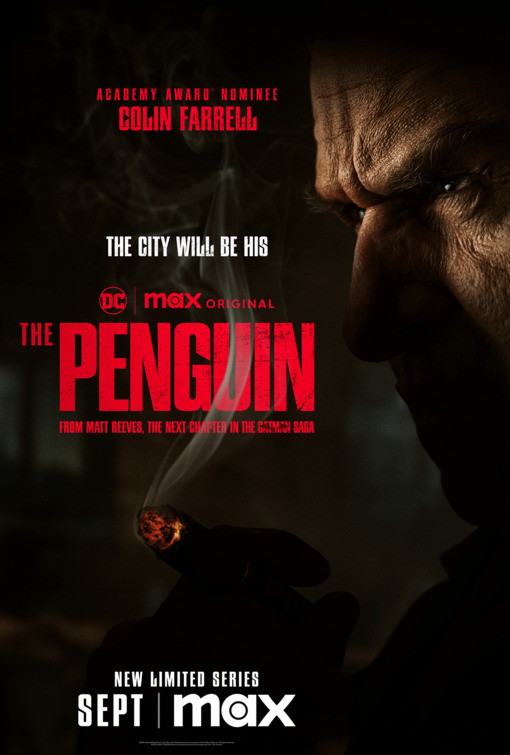
Set mere days after the catastrophic flood depicted in The Batman, The Penguin follows Oz Cobb as he seizes an opportunity to rise from mid-level enforcer to Gotham's most powerful crime lord. The city is in chaos, the Falcone family is fractured by tragedy, and Oz sees the vacuum at the top as his moment to finally claim the empire he's always believed he deserved.
Creator Lauren LeFranc has constructed a show that draws as much from The Sopranos and The Wire as it does from superhero mythology. Gotham is rendered as a believable urban environment drowning in corruption and grief, where the criminal ecosystem operates with its own bureaucracy, codes, and betrayals. Sofia Falcone — played with magnetic intensity by Cristin Milioti — emerges as Oz's most unpredictable and dangerous adversary.
Colin Farrell disappears entirely beneath prosthetics, a hunched gait, and a thick accent to inhabit Oz with startling humanity and menace. The series explores what drives a man like the Penguin: not just greed, but a lifetime of humiliation and desperate need to be seen as powerful. It's one of the most compelling villain origin stories in superhero television.