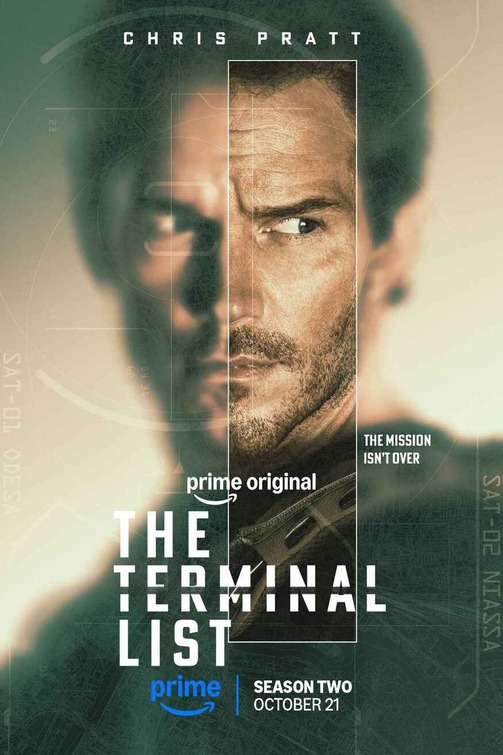
The Terminal List Season 2 brings Chris Pratt back as former Navy SEAL James Reece and adapts Jack Carr’s novel True Believer. Reece is searching for purpose when the CIA corners him into another mission, exposing a conspiracy that connects Moscow, Langley and his own family.
As of October 11, 2026, the season is not yet streaming. Prime Video has confirmed that all eight episodes will premiere on October 21, 2026, exclusively on the service. The answer block therefore links to the official title page without implying that Season 2 can already be watched.
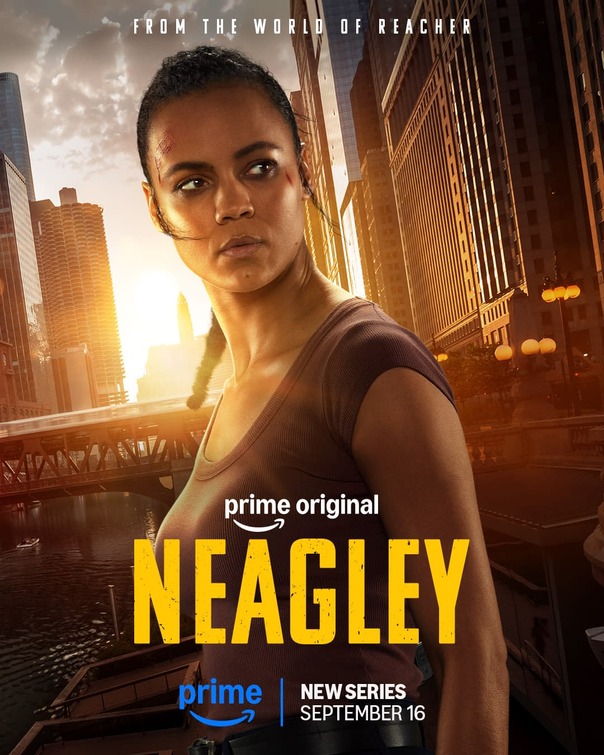
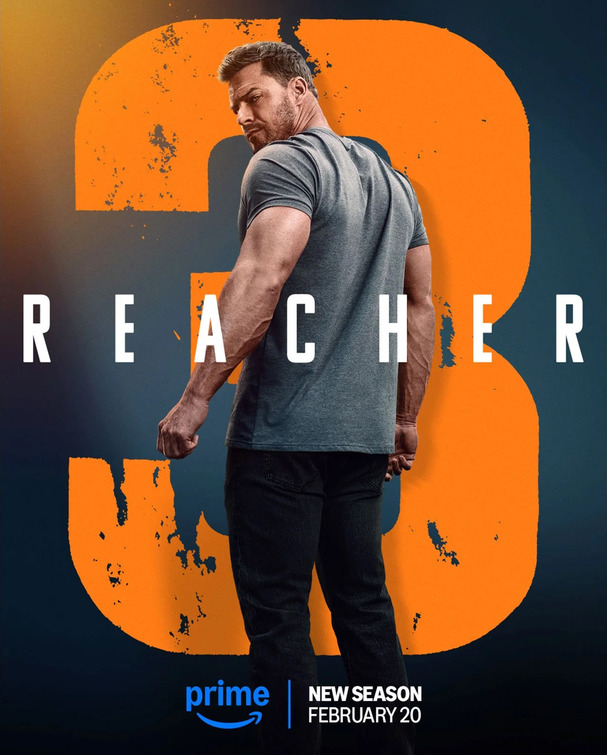
Neagley is streaming exclusively on Prime Video in the United States. Season 1 contains eight episodes, all released on September 16, 2026, and access is included with an Amazon Prime membership.
Maria Sten leads as Chicago private investigator Frances Neagley, who investigates the suspicious death of a childhood friend. Amazon renewed the Reacher spinoff for Season 2 on October 1, 2026, but has not announced its release date or episode count.
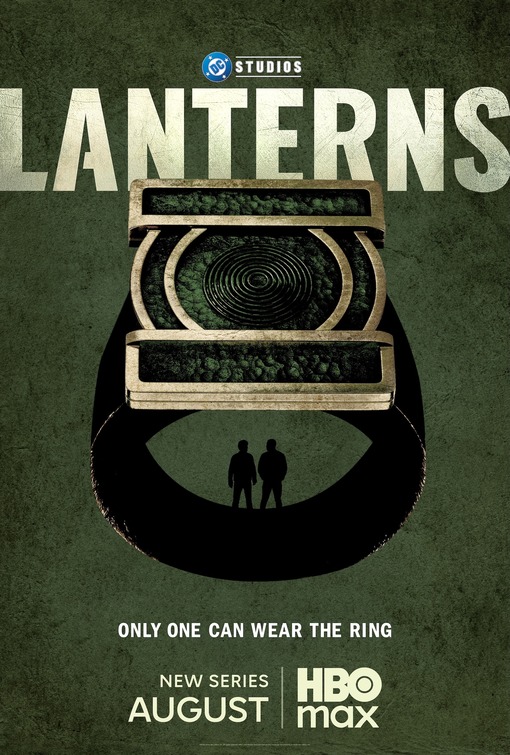
Lanterns is a DC Studios mystery that pairs new Green Lantern recruit John Stewart, played by Aaron Pierre, with veteran Lantern Hal Jordan, played by Kyle Chandler. Their investigation into a murder in the American heartland pulls the two intergalactic officers into a dark, Earth-based case with cosmic ties.
Produced by HBO with Warner Bros. Television and DC Studios, the series brings the Green Lantern mythology into the unified DC Universe through a grounded detective story.
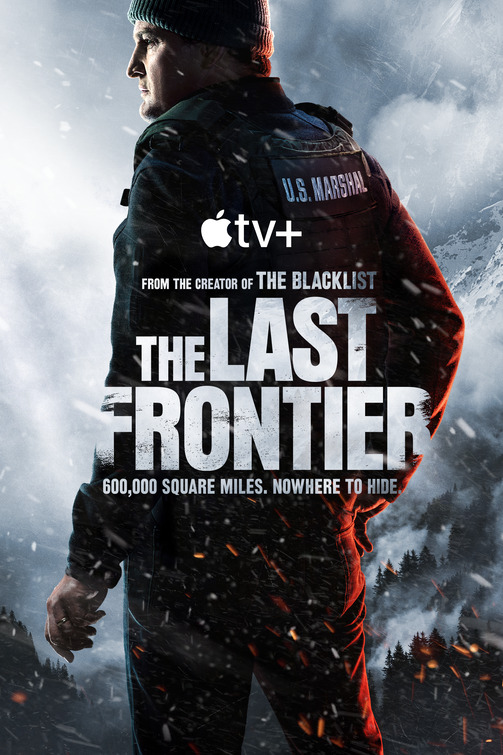
The Last Frontier is an Apple TV+ action thriller created by Jon Bokenkamp, the creator of The Blacklist, together with Richard D'Ovidio. Set amid the vast, unforgiving wilderness of Alaska, it pairs survival-thriller spectacle with a conspiracy that steadily widens beyond a single catastrophe, with some episodes directed by Extraction filmmaker Sam Hargrave.
Jason Clarke, who also executive produces, stars as Frank Remnick, a lone U.S. marshal responsible for keeping order across 600,000 square miles of remote backcountry. His already difficult job turns deadly when a prison-transport plane crashes nearby and releases a group of dangerous inmates into the wild, and it soon becomes clear the crash was no accident, but part of a far larger scheme. Dominic Cooper, Haley Bennett, Simone Kessell, Dallas Goldtooth and Alfre Woodard co-star.
The ten-episode first season premiered on October 10, 2025 and rolled out weekly, offering a muscular, cat-and-mouse thriller staged against Alaska's punishing landscape. Reviewers welcomed its throwback, pulpy energy and Clarke's grounded lead performance. It streams on Apple TV+.
Twisted Metal is an action-comedy series based on Sony's long-running PlayStation vehicular-combat video game, developed for Peacock by Rhett Reese, Paul Wernick, and showrunner Michael Jonathan Smith. Set in a lawless, post-apocalyptic wasteland known as the Divided States of America, it pairs demolition-derby carnage with irreverent, foul-mouthed humor.
Anthony Mackie stars as John Doe, an amnesiac "milkman" delivery driver who is offered a shot at a better life if he can transport a mysterious package across deadly territory. Stephanie Beatriz plays the fierce car thief Quiet, while the iconic ice-cream-truck-driving killer clown Sweet Tooth is performed physically by Joe Seanoa and voiced by Will Arnett. Season two, released in 2025, finally stages the franchise's signature tournament, presided over by the enigmatic Calypso (Anthony Carrigan).
After a mixed but popular first season, Twisted Metal roared back with a second season that won over critics, jumping to a 92% Rotten Tomatoes score for its faster pace, bigger action, and deeper embrace of the games. It has become one of Peacock's signature genre titles.
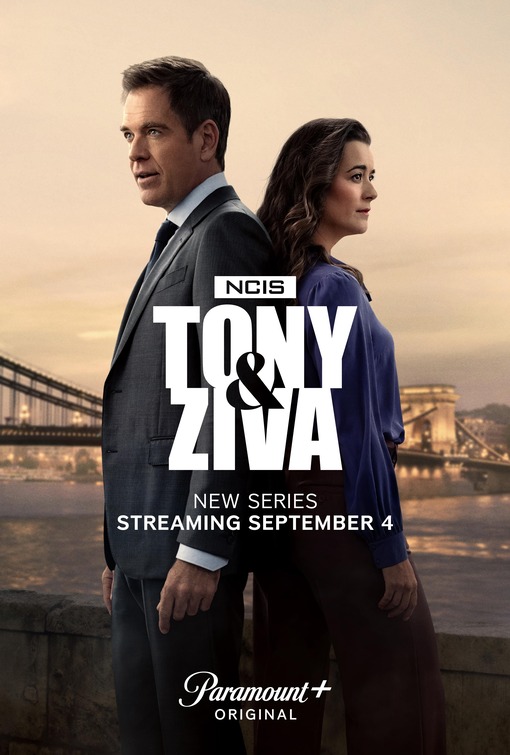
NCIS: Tony & Ziva is a Paramount+ action-drama and the latest spinoff in the long-running NCIS franchise, reuniting two of the mothership series' most beloved characters. Michael Weatherly and Cote de Pablo reprise their roles as Tony DiNozzo and Ziva David, the will-they-won't-they fan favorites whose romance was one of the original show's defining threads. Created by John McNamara, the series finally reunites the pair years after each departed the flagship show.
The story finds Tony raising the couple's daughter, Tali, while running a security company in Paris. When he comes under attack, Tony and Ziva are thrown back together and forced to go on the run across Europe, trying to uncover who is targeting them while navigating their complicated history as parents and partners. The result blends globe-trotting, espionage-tinged action with the character-driven banter that made the duo so popular.
Premiering on Paramount+ in September 2025, the series capitalized on years of fan demand for a Tony and Ziva reunion and extended the NCIS brand into serialized, internationally set storytelling. Filmed in Europe, it leans on the star chemistry of Weatherly and de Pablo to carry a fresh chapter in one of television's most durable franchises. NCIS: Tony & Ziva streams on Paramount+.
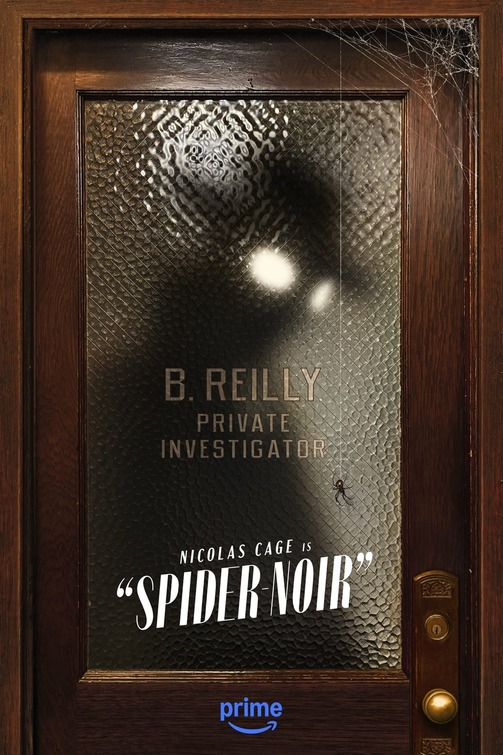
Spider-Noir is a live-action superhero series on Prime Video, produced under the Amazon MGM and Sony partnership, that spins Nicolas Cage's animated Spider-Verse character off into his own hard-boiled detective story. Cage, who voiced Spider-Man Noir in Spider-Man: Into the Spider-Verse, now plays the character in the flesh, headlining a period noir steeped in the shadows of Depression-era New York.
Set in the 1930s, the series follows an aging, down-on-his-luck private investigator who was once the city's masked protector and finds himself pulled back into a dangerous case that forces the web-slinger out of retirement. Rendered largely in stark black and white to evoke classic film noir, the show trades the multiverse spectacle of its animated origins for gumshoes, gangsters, and grim mystery. Lamorne Morris, Brendan Gleeson, and Li Jun Li are among the cast.
Premiering in 2026, Spider-Noir stands out as the first live-action solo Spider-Man television series and an unusually stylish, adult-leaning take on the character. Building on the popularity of Cage's scene-stealing Spider-Verse role, it reimagines a comic-book hero through the lens of 1930s pulp detective fiction. Spider-Noir streams on Prime Video.
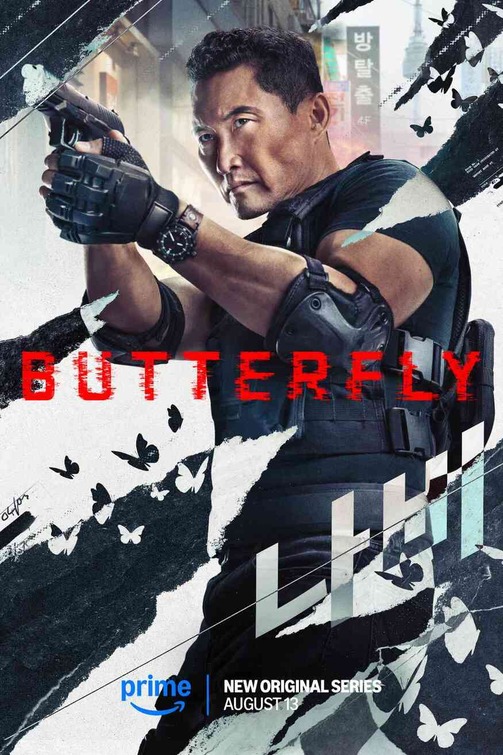
Butterfly is a slick, globe-trotting espionage thriller on Prime Video, adapted from the Boom! Studios graphic novel by Arash Amel. Daniel Dae Kim — who also executive produces — stars as David Jung, a former United States intelligence operative living in the shadows in South Korea years after faking his own death. His carefully hidden life collapses when he is targeted by Rebecca, a lethal young agent from a shadowy private intelligence outfit called Caddis, setting off a relentless cat-and-mouse chase across the Korean peninsula.
The series' central twist reframes the pursuit as something far more personal than a routine assignment, binding hunter and hunted together through a buried family secret. Reina Hardesty plays Rebecca with steely intensity, and the show balances wall-to-wall action — foot chases, shootouts, and hand-to-hand combat through Seoul's streets and neon-lit interiors — with a genuine interest in identity, belonging, and the ties that survive betrayal.
Shot almost entirely on location in South Korea, Butterfly showcases the country as more than an exotic setting, weaving Korean language, culture, and craft into its DNA. For Daniel Dae Kim, born in South Korea and raised in the United States, the project was a personal milestone, and the series arrived as one of Prime Video's most distinctive action offerings of the year. It streams on Prime Video.