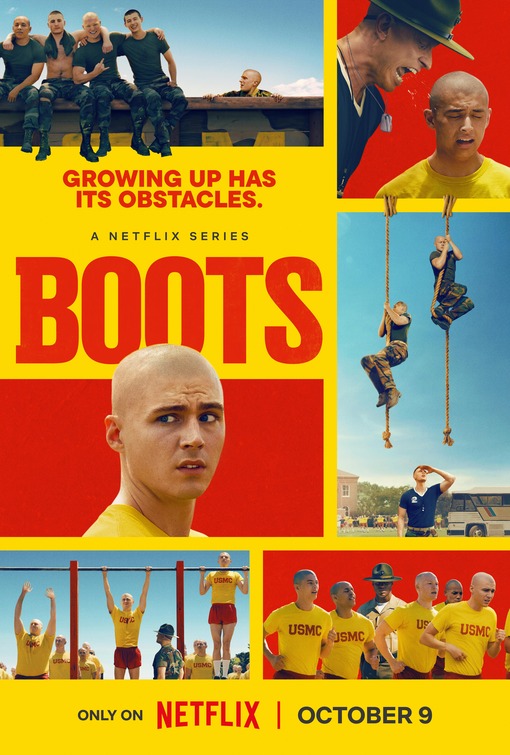
Boots is a Netflix comedy-drama series created by Andy Parker, adapted from Greg Cope White's memoir The Pink Marine. Set in 1990, it follows a directionless young man who impulsively joins the United States Marine Corps alongside his best friend and must survive the brutal crucible of boot camp while carrying a secret about who he is. Executive produced by the legendary Norman Lear in one of his final projects, it balances raw military rigor with warmth and humor.
Miles Heizer stars as Cameron Cope, an aimless teenager with no obvious prospects who signs up largely on a whim and finds himself utterly unprepared for the punishing world of Marine training. Vera Farmiga plays his loving but overbearing mother, and Max Parker, Liam Oh, and Angus O'Brien fill out the ensemble of recruits and drill instructors who become Cameron's unlikely found family. The series mines both comedy and genuine drama from the pressure cooker of basic training and the secrets its recruits carry.
Critics responded enthusiastically, and the show earned a strong 92% Rotten Tomatoes score along with a top-ten streaming run, praised for its heart, its period specificity, and Heizer's grounded lead performance. Though Netflix ultimately did not renew it beyond its first season, Boots was widely embraced as a standout dramedy. It streams on Netflix.
Feud: Capote vs the Swans is Ryan Murphy's devastating examination of Truman Capote's most spectacular self-destruction — the years following the publication of his roman à clef exposing the intimate secrets of the wealthy Manhattan socialites he called his closest friends. Tom Hollander delivers a career-defining performance as the older, broken Capote, navigating his social exile with a combination of defiance and heartbreak that makes the series as much an elegy as an indictment.
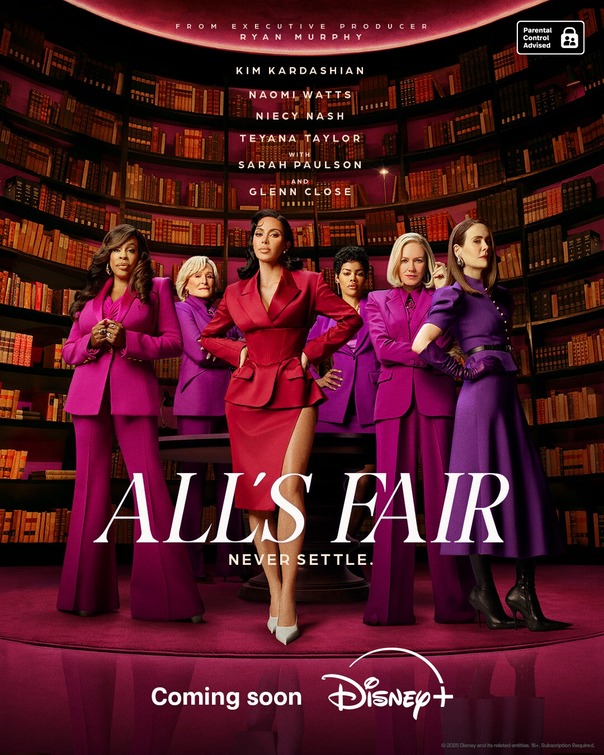
The show unfolds across two timelines, weaving between Capote's present-day isolation and the glittering height of his friendships with the women he called his Swans — Babe Paley, C.Z. Guest, Slim Keith, and others — played by an extraordinary ensemble that includes Demi Moore, Naomi Watts, Calista Flockhart, and Molly Ringwald. These relationships are depicted with tremendous psychological complexity: they were genuine, loving, and mutually sustaining even as they contained the seeds of their own destruction.
Murphy and his collaborators have crafted a portrait of a specific kind of loneliness — the gay man of Capote's generation who found his truest intimacy with women, and the particular anguish of betraying it. Feud: Capote vs the Swans is among Murphy's finest work in television, treating its historical figures as fully realized human beings rather than melodramatic archetypes, and finding in their story a timeless meditation on the cost of confusing art with friendship.
A Murder at the End of the World is a brilliantly constructed mystery thriller from the visionary creative duo Brit Marling and Zal Batmanglij. The story follows Darby Hart, a sharp-minded amateur sleuth and true crime blogger who is invited to a reclusive tech billionaire's exclusive retreat in Iceland along with a group of the world's most brilliant minds. When one of the guests is found dead, Darby is determined to uncover the truth before the killer strikes again.
The series operates on multiple levels, blending a classic locked-room mystery with incisive commentary on artificial intelligence, corporate power, and the ways technology is reshaping human connection. The remote Icelandic landscape serves as a breathtaking and eerie backdrop, while the billionaire's labyrinthine compound filled with cutting-edge technology becomes a character in its own right.
Brit Marling, who also stars as Darby, brings her signature philosophical depth to the project, crafting a thriller that is as interested in ideas as it is in plot twists. The show features a standout ensemble cast and builds to a genuinely surprising climax that forces viewers to rethink everything they thought they knew. It is a bold and intellectually ambitious piece of television that lingers long after the final credits roll.
Griselda is a gripping crime drama miniseries that chronicles the extraordinary rise of Griselda Blanco, the Colombian woman who became one of the most powerful and ruthless drug lords in American history. Set primarily in Miami during the late 1970s and 1980s, the series follows Griselda as she escapes a dangerous marriage in Colombia and builds a billion-dollar cocaine empire from nothing, earning her the title "The Godmother of Cocaine."
Produced by the same team behind Narcos and Narcos: Mexico, Griselda blends high-octane crime drama with a compelling character study. The show explores how Griselda used her femininity as both a shield and a weapon in a world dominated by violent men, outmaneuvering cartel bosses and law enforcement alike through cunning, ruthlessness, and an almost maternal devotion to those she trusted.
Sofía Vergara delivers a career-defining performance as Griselda Blanco, transforming herself physically and emotionally to portray this complex and terrifying figure. The series balances visceral crime drama with an unflinching examination of the human cost of the drug trade on both sides of the law, making it one of the most compelling true-crime dramas in recent memory.
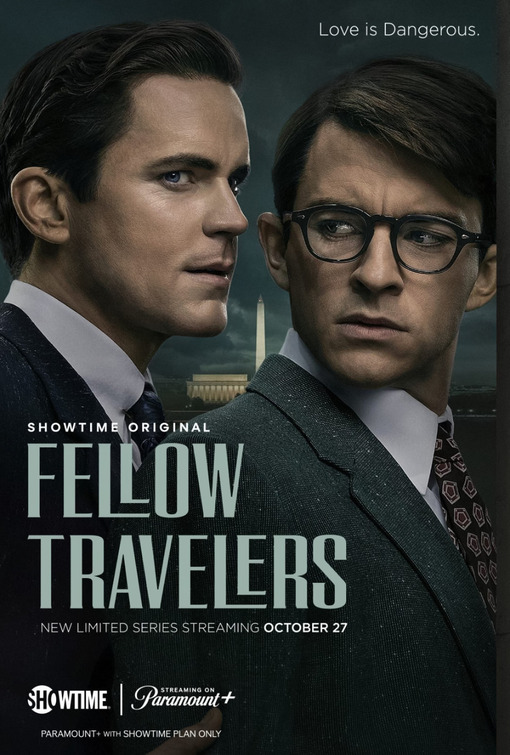
Fellow Travelers is a sweeping romantic drama that unfolds across four decades of American history, beginning in the McCarthy era of the 1950s. The series follows Hawk Fuller, a charming and politically connected government official, and Tim Laughlin, an idealistic young man fresh from seminary school, as they fall into a passionate and dangerous love affair during one of the most hostile periods for gay men in Washington, D.C.
Based on Thomas Mallon's acclaimed 2007 novel, the show masterfully weaves together political intrigue and personal heartbreak. As the Red Scare gives way to Vietnam, Stonewall, and the AIDS crisis of the 1980s, Hawk and Tim find themselves repeatedly drawn back to each other despite the enormous risks their relationship poses to their careers and lives. The series examines how external political forces shape intimate relationships over generations.
Anchored by extraordinary performances from Matt Bomer and Jonathan Bailey, Fellow Travelers is a visually stunning production that brings the past vividly to life. The show does not shy away from the brutal realities of anti-gay persecution in government, while also celebrating the enduring power of love in the face of institutional hatred. It is one of the most emotionally resonant dramas of recent years.
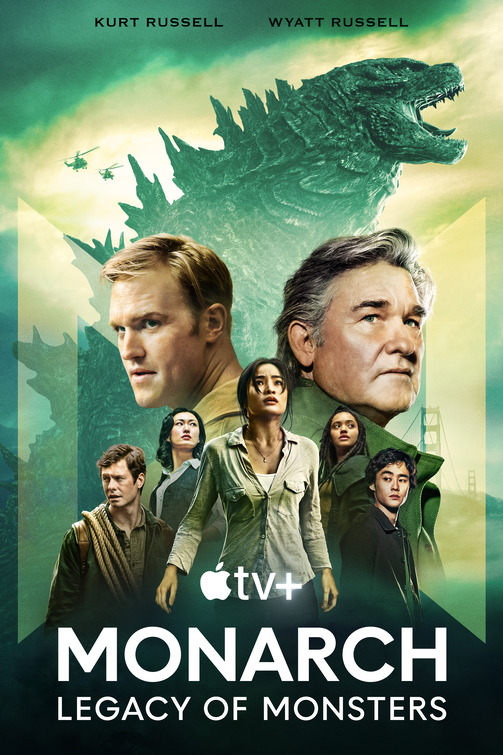
Monarch: Legacy of Monsters is the ambitious Apple TV+ series that expands the MonsterVerse — the shared cinematic universe spanning Godzilla and Kong films — into a rich, character-driven television narrative set across two different time periods. The first season weaves together storylines from 2015 and the 1950s to trace the founding of the mysterious Monarch organisation, which studies and conceals the existence of the massive ancient creatures known as Titans. Kurt Russell and his son Wyatt Russell play the same character at different ages, creating an unusual parallel performance dynamic that anchors the season's temporal structure.
Created by Chris Black and Matt Fraction, the show is notable for treating its MonsterVerse setting with genuine seriousness — the monsters are truly terrifying rather than merely spectacular, and the human characters are written with the kind of complexity rarely afforded to blockbuster franchise properties. Anna Sawai stars as Cate, a young woman who discovers her late father had a hidden connection to Monarch, and her grief-propelled investigation provides the emotional engine for the season's mystery.
Monarch delivered some of the most breathtaking kaiju sequences ever committed to a television screen while maintaining the quiet intimacy of a family drama about secrets, loss, and the weight of inherited choices. The show found an audience well beyond existing MonsterVerse fans, earning praise from critics who had assumed the genre could not support this level of character investment. Season 2, already in production, promises an even larger scale — setting the stage for what may become the definitive franchise television event of the streaming era.
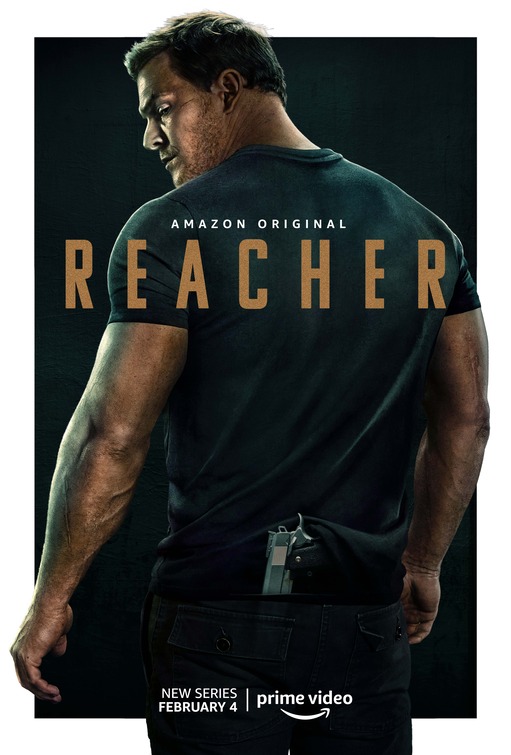
Reacher is the relentlessly entertaining Amazon Prime Video action series based on Lee Child's beloved Jack Reacher novels, starring Alan Ritchson in a defining performance as the impossibly capable drifter-turned-investigator who wanders America with no phone, no plan, and an unerring ability to walk into trouble. Each season adapts a different novel from Child's long-running series, giving the show the structure of a standalone thriller while building its central character with the kind of patient consistency that rewards returning viewers. Reacher has become one of the most-watched series in Prime Video history.
The series corrects everything that felt misaligned about the earlier theatrical adaptations by casting Ritchson — six feet four, built like a tank, and possessed of a dry wit that makes the character's implausible competence not merely believable but genuinely charming. Reacher is not a brooding antihero; he is a fundamentally moral person who happens to be extraordinarily dangerous, and the show's tonal success rests on that distinction. Each season surrounds him with a strong supporting ensemble and a specific criminal conspiracy that lets the show function simultaneously as mystery, action vehicle, and character study.
Season 3, which premiered in 2025, is widely considered the most emotionally complex entry in the series, drawing on Child's novel Persuader to send Reacher into an undercover mission that requires him to work alongside the very people he has spent his career opposing. The season pushed Ritchson's performance into new territory while delivering the franchise's most impressive action sequences and its sharpest sense of human consequence — confirming Reacher as a prestige action series that continues to grow with each instalment.

Sugar (2024) is the most audaciously genre-bending show of the year — a Hollywood neo-noir that opens as a deliriously stylish private detective story and evolves into something far stranger and more affecting as its central mystery deepens. Colin Farrell stars as John Sugar, a private investigator working in modern Los Angeles who takes a case involving the disappearance of a Hollywood producer's granddaughter. The show is laced with loving references to golden-age cinema, filtered through a noir aesthetic that feels simultaneously classic and wholly contemporary.
Created by Mark Protosevich and directed in part by Fernando Meirelles, Sugar moves with the rhythm of a Chandler novel — atmospheric, digressionary, alive to the moral texture of the city beneath the glamour. Farrell plays Sugar with a kind of bruised, courtly decency that makes him one of the most compelling detectives in recent television memory. The show treats its mid-season twist — a revelation so remarkable it would seem absurd in lesser hands — with extraordinary seriousness, weaving it into the emotional logic of the story in ways that retrospectively deepen everything that came before.
Sugar was widely discussed upon its Apple TV+ debut for its tonal confidence, its commitment to its own strangeness, and Farrell's transformative performance. Critics who had assumed a conventional detective procedural found themselves in the middle of something genuinely uncategorisable — a show interested less in genre than in character, obsession, and the distance between how people appear and what they are. Farrell received Emmy and Golden Globe recognition for the role, cementing his status as one of the most compelling actors working in prestige television.
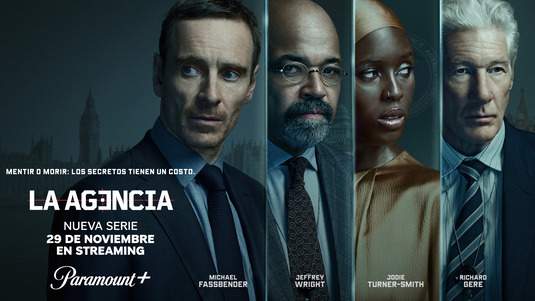
The Agency is a sleek, psychologically layered spy thriller from Paramount+ that announces itself as one of the most sophisticated espionage dramas of the decade. Created by Jez Butterworth and starring Michael Fassbender as a seasoned CIA operative codenamed Martian, the series opens with a premise as simple as it is devastating: after years deep undercover, Martian is extracted from his mission — only to discover that the woman he fell in love with in the field has resurfaced in London, threatening to unravel both his cover and his sense of self. Jeffrey Wright, Richard Gere, and Katherine Waterston round out an ensemble of exceptional depth.
Adapted from the Belgian series Le Bureau des Légendes, The Agency transplants its source material to London and Washington with real authority, using the CIA's internal culture — its rivalries, its ethical compromises, its particular brand of institutional paranoia — as the backdrop for a deeply personal story about identity, love, and the impossible task of leading a double life without losing both. Fassbender, in his first major television role, brings enormous physical stillness and emotional precision to a character who must simultaneously perform several versions of himself at all times.
The show was a significant prestige acquisition for Paramount+ and premiered to strong critical reception in late 2024. Its combination of intelligent plotting, nuanced characterisation, and cinematic visual language — directed in part by Joe Wright — marked it as a worthy successor to the European tradition of intelligent spy drama. A second season was swiftly commissioned following its debut, cementing its status as one of streaming's finest new franchises.
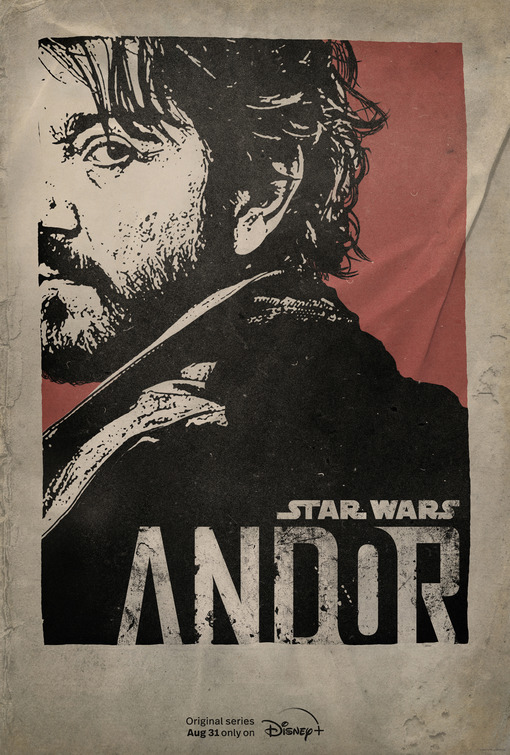
Andor Season 2 is the electrifying conclusion to what many critics consider the finest entry in the Star Wars television universe — a grounded, politically urgent spy thriller that strips the franchise down to its radical core. Returning showrunner Tony Gilroy brought back Diego Luna as Cassian Andor for this final twelve-episode run, taking the story right up to the events of Rogue One: A Star Wars Story and resolving the question of how an ordinary, deeply flawed man became the hero of the Rebel Alliance. The season was noted for its tonal maturity and its willingness to spend time with moral ambiguity rather than galactic spectacle.
Structurally innovative as ever, the second season is divided into four-episode arcs, each representing a different year in Cassian's journey toward sacrifice. The show continues to build out the political machinery of the Galactic Empire with a precision unusual for a franchise property — depicting the bureaucratic cruelty of occupation, the psychological cost of resistance, and the way ordinary people are ground up by systems far larger than themselves. Stellan Skarsgård, Genevieve O'Reilly, and Kyle Soller all return in roles that deepen substantially from their first-season appearances.
Andor Season 2 premiered on Disney+ in April 2025 to universal critical acclaim, with reviewers praising its novelistic ambition, its fearless willingness to follow through on character consequences, and its remarkable emotional payoff in a finale that recontextualises both the season and the entire first season. It stands as a rare case of a second season surpassing its predecessor and as a defining achievement in the streaming era of television.
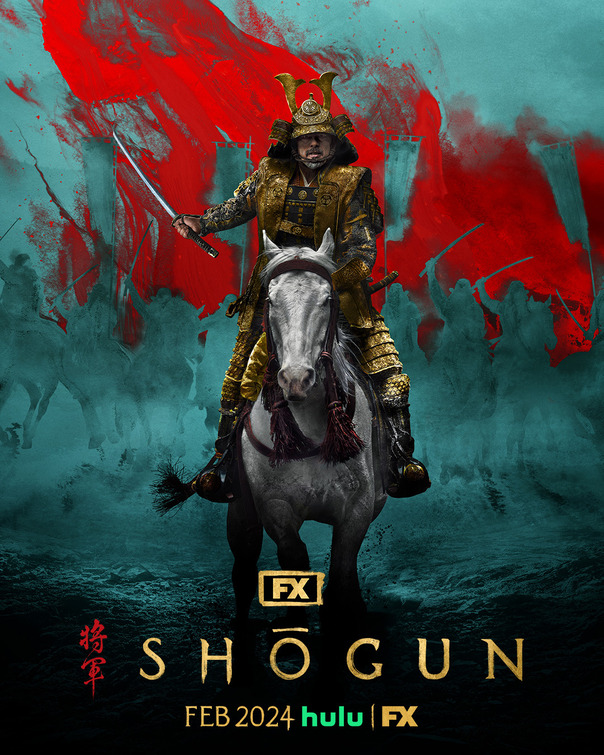
Shōgun (2024) is the landmark historical epic that redefined what prestige television could achieve in storytelling ambition, cultural specificity, and sheer cinematic grandeur. Set in feudal Japan at the turn of the seventeenth century, the FX series — adapted from James Clavell's 1975 novel — follows English navigator John Blackthorne, played by Cosmo Jarvis, who arrives in Japan as a shipwreck survivor and finds himself drawn into a dangerous power struggle between rival warlords. At the centre of that struggle is the brilliant, pragmatic Lord Yoshii Toranaga, portrayed by Hiroyuki Sanada in the performance of his career.
Where earlier adaptations leaned into the Western perspective, this version places Japanese characters — their politics, their honour codes, their grief — at the absolute heart of the narrative. Lady Mariko, played by Anna Sawai, emerges as the series' moral and emotional core, a woman navigating loyalty, faith, and impossible choices with devastating grace. The show was shot largely in Japanese, with subtitles treated not as a concession but as a storytelling device that immerses English-speaking audiences in the alienation Blackthorne himself experiences.
Shōgun swept the Emmy Awards, winning a historic 18 trophies including Outstanding Drama Series, and was renewed for two additional seasons. Critics celebrated it as a once-in-a-generation achievement in world television — a show that took a familiar story of cultural collision and transformed it into something genuinely new, surprising, and profoundly moving, reshaping audience expectations for what the medium could deliver.