War is streaming on HBO Max in the United States. The eight-episode season debuted on October 1, 2026, and new episodes are released weekly on Thursdays. Availability was checked on October 11; other countries may use different Warner Bros. Discovery or Sky services.
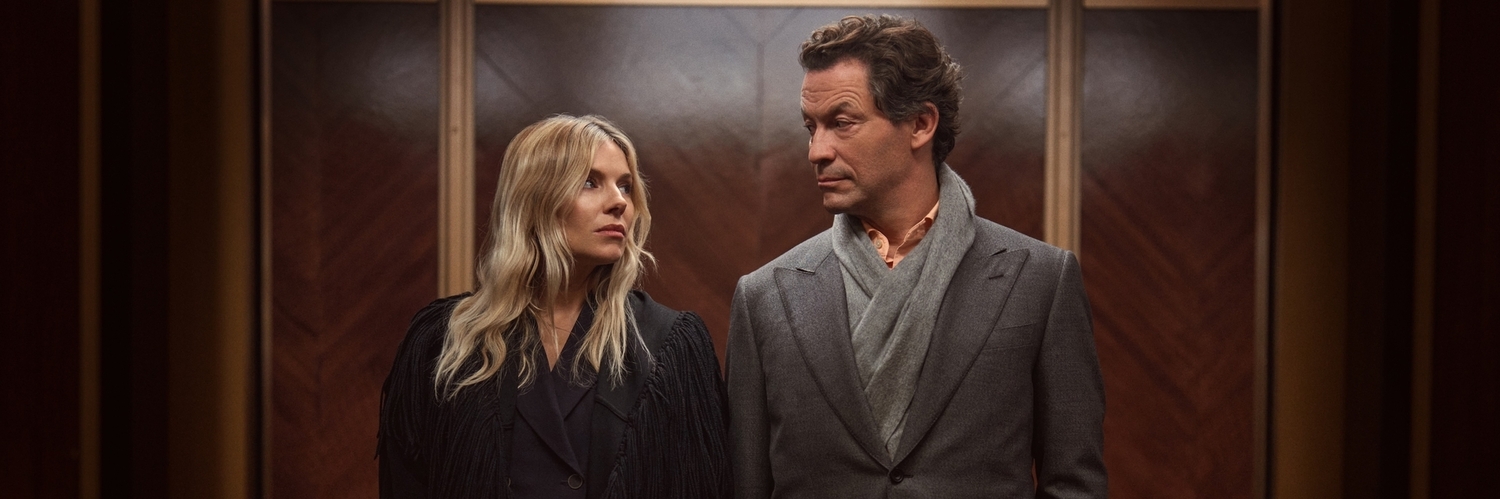
George Kay's legal drama follows rival London firms Cathcarts & Sons and Taylor & Byrne as they fight over the divorce of tech entrepreneur Morgan Henderson and international film star Carla Duval. Dominic West and Sienna Miller play the estranged couple, while Archie Renaux is ambitious lawyer Johnny Warren, drawn into a contest where reputation and loyalty are tactical assets. Ben Taylor is the lead director of the HBO and Sky production.

A spin off to the popular 16 and Pregnant (also on MTV), Teen Mom 2 follows along on the challenges and rewards faced by four teenage moms that were last seen on season three of 16 and Pregnant. There are many problems facing those who are still practically children themselves who attempt to raise their own babies. Family, peer pressure, school, and romance are a enough to struggle with before adding on the burden and reward of child rearing. The show attempts to show it can be accomplished with help from all relationships involved. The parents can provide much needed guidance and they can get an emotional boost from friends and romantic involvements too. Following four young women who become pregnant during their senior year of school, Janelle, Chelsea, Leah, and Kailyn have different problems and solutions but they are each determined to keep and raise their babies themselves. Boyfriends and parents complicate issues but basically stand behind the life altering decisions made by the new mothers. This program is reality programming at it's finest as it depicts life in real time.

Brothers & Sisters was an American television drama series that aired on ABC from 2006 to 2011. The show followed the lives of the Walker family, who run a successful business in Los Angeles. The main characters were the five adult Walker siblings and their parents. The show explored their relationships, careers, and personal struggles.
The series dealt with a range of contemporary issues, including politics, marriage equality, addiction, and infidelity. The characters often faced difficult decisions and moral dilemmas, and the show was praised for its realistic portrayal of family dynamics. The cast included notable actors such as Sally Field, Calista Flockhart, and Rachel Griffiths.
Brothers & Sisters was generally well-received by critics and audiences, and it received numerous award nominations during its run. However, ratings declined towards the end of the series, and it was ultimately canceled after five seasons. Despite its relatively short run, the show remains a popular choice for fans of family drama and character-driven storytelling.

Once upon a time MTV was all about music videos but ever since they began producing their own television series like The Hills they have evolved into a powerhouse in TV entertainment. The Hills is about the lives and ongoing happenings for several young women who reside in Los Angeles, California. Lauren, a young woman striving for her own independence, moves to LA with best friend Heidi and meet up with Audrina. Lauren interns with Teen Vogue, a teen magazine and becomes interested in the fashion industry. When her ex-boyfriend follows Lauren to LA they decide to get back together, which complicates her life. This show has the "reality TV" formula that is popular and gained The Hills some high accolades from the entertainment industry and spawned quite a few copy cat programs. While the young women have their romantic partners each is trying to make it and become successful, especially in the magazine and fashion industries that drew them to LA in the first place. As this is a show based on reality it's sometimes difficult to determine where reality leaves off and drama simply takes over. Still The Hills is fun to watch each week.

Game of Thrones is HBO’s eight-season fantasy drama, adapted from George R.R. Martin’s A Song of Ice and Fire and created for television by David Benioff and D.B. Weiss. The story begins in Westeros, where rival houses compete for the Iron Throne while threats beyond the realm’s political borders grow harder to ignore. The series follows intersecting royal, military and family conflicts rather than a single hero, using shifting alliances, contested succession and the cost of power to drive its narrative. Across 73 episodes, characters including Tyrion Lannister, Jon Snow, Daenerys Targaryen and Arya Stark move through civil war, exile, betrayal and supernatural danger. The completed story runs from the opening struggle for the crown to the final settlement of Westeros’s leadership.
Where to watch (checked October 7, 2026): All eight seasons are listed in HBO’s catalog and stream through HBO Max where the service and title are offered. Plans, language tracks and formats vary by country, so check the local HBO or HBO Max listing before subscribing.
Official source: HBO.

"Spartacus: Gods of the Arena" - different gladiator, same sex and violence. Starz' deliciously decadent"”salacious, violent, often flat-out brutal"”"Spartacus: Blood and Sand" recently went on extended hiatus, leaving its legions of loyal fans "jonesing" for their weekly doses of decapitation and bare breasts. The Spartacus team satisfied fans' craving with "Spartacus: Gods of the Arena," a six-episode prequel to the continuing saga of Batiatus and Associates. Starting with a flashback montage of "Blood and Sand's" greatest hits, more precisely Batiatus's life flashing before his eyes in the moment before his death, "Spartacus: Gods of the Arena" shows Batiatus's rise to prominence and power with the assistance and support of his all-pro gladiator Gannicus. Because these stories represent "a more ruthless time"¦where honor was just finding its way into the arena," the writers and producers feel free to elaborate and experiment with their already-established characters, and they feel similar artistic license with super-slow-motion gore and fun-fantasy sex. They clearly are perfecting their craft. One particularly insightful viewer concluded his review of "Spartacus: Gods of the Arena" with a sage observation: "I think that's one of the smart decisions putting it on a Friday night since it's an ideal end of the work week thing to watch."

Off the Map is a character based medical show set in South America. The newest medical drama show from producers of Grey's Anatomy is proving to be a hit series. The latest offering from ABC television, "Off the Map" TV show premiered January 12 of 2011 with some endearing characters going on the "adventure of a lifetime". The show is set in the tropics of South America where three intrepid doctors do their best to save people who are in serious need of medical help. While life is not exactly primitive down in this tropical area of the world, it most definitely is not up to date as far as medical supplies go. Dr. Ben Keeton (Martin Henderson) lost his child and his wife due to an accident and he's having problems coping with the single doctor lifestyle even though he has friends who encourage him. Dr. Otis Cole (Jason Winston George) is one of those docs that most say has a bite every bit as bad as his bite. While super strict at work he also has a somewhat zany side. A former addict he lives for candy as his fix of choice now days. Dr. Lily Brenner (Caroline Dhavernas) has been heartbroken when her fiancee was killed in an accident. Off the Map TV show is a soap opera-ish show and a fun divergence from the normal seriousness involved with medicine. Fans of Grey's Anatomy might like this one.

The Scribner authors who rose to 1930s and 1940s prominence under Max Perkins's skilled tutelage understood the best way to change the world is to represent it precisely--in minute detail and in all its grim, unforgiving, and frightening ugliness. MTV's "16 and Pregnant" brings the same principle to television, accurately and unblinkingly showing the lives of four expectant teen-agers, mercilessly exploiting every ugly stereotype of life on the perilous edge of poverty and powerlessness. The New York Times suggests, "The implicit message at the center of ["16 and Pregnant's] class prejudice tells us that if you're not setting out for Berkeley or Wesleyan, then raising a child when you ought to be working on the yearbook is as good a road to character development as any." The Times unfortunately mistakes power and poignancy for "prejudice." After viewing even one episode of "16 and Pregnant," any observant sophomore will make a headlong dash for Planned Parenthood, the glee club, and an SAT prep course.