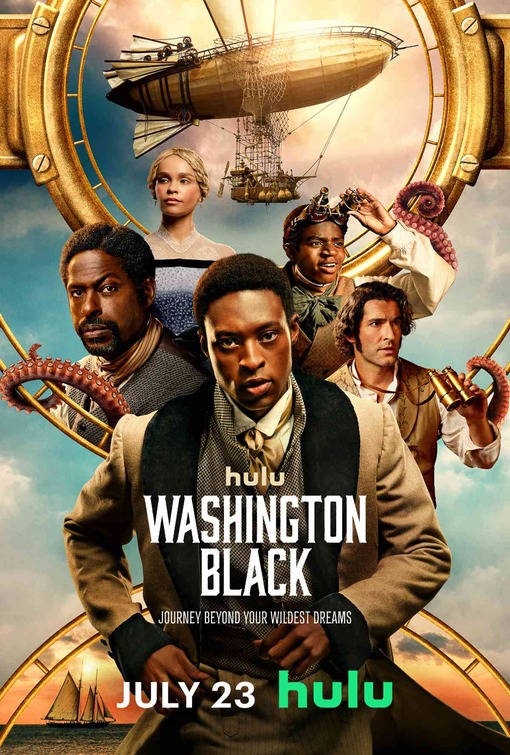
Washington Black is a sweeping Hulu limited series adapted from Esi Edugyan's acclaimed 2018 novel, a coming-of-age adventure that carries its hero from bondage to the far corners of the globe. Ernest Kingsley Jr. stars as the adult George Washington “Wash” Black, a boy born into slavery on a Barbados sugar plantation whose prodigious scientific gifts are recognized by an eccentric abolitionist inventor. When a death forces him to flee, Wash embarks on an odyssey across oceans and continents that transforms him from fugitive to scientist, artist, and explorer.
Sterling K. Brown, who also executive produces, plays Medwin Harris, a charismatic community leader in Halifax whose role is expanded from the novel, while Eddie Karanja plays the younger Wash and Tom Ellis, Iola Evans, and Sharon Duncan-Brewster fill out the cast. Told across dual timelines and multiple continents, the series pairs the propulsive momentum of a nineteenth-century adventure yarn with a thoughtful meditation on freedom, identity, and who gets to author their own story.
Adapting a novel that won Canada's Giller Prize and was shortlisted for the Booker, the series reaches for the grandeur of classic adventure storytelling while centering a Black hero's journey toward self-invention. Lavishly mounted and spanning locations from the Caribbean to the Arctic, Washington Black streams on Hulu.
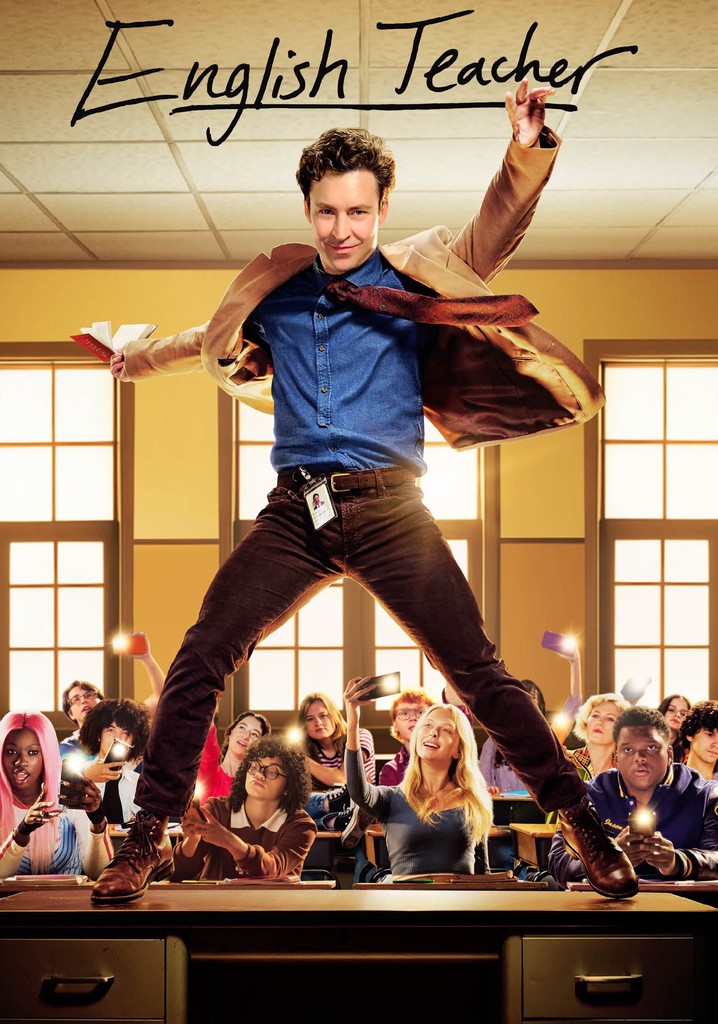
Created by and starring Brian Jordan Alvarez, English Teacher is the smartest comedy to emerge from FX in years — a razor-sharp, character-driven series set inside a Texas high school that captures the specific absurdities of contemporary American education with surgical precision. Alvarez plays Evan Marquez, a gay English teacher trying to do his job — teach literature, inspire students, survive faculty meetings — while navigating a minefield of parental complaints, administrator anxieties, and the broader culture wars that have made American classrooms a political battlefield. The show manages the rare trick of being both deeply funny and genuinely empathetic, finding the human complexity in even its most cartoonish supporting characters.
What distinguishes English Teacher from the crowded field of workplace comedies is its specificity. The show has an authentic feel for the rhythms and frustrations of public school life — the way teachers are asked to perform emotional labor far beyond their job description, the gap between idealistic pedagogy and bureaucratic reality, and the exhausting experience of being a queer person in a conservative community. Alvarez, who wrote or co-wrote most episodes, draws on his own experience as a working teacher to ground the comedy in moments that will be immediately recognizable to anyone who has spent time in a school. The result is a show with the intelligence of a prestige drama and the pacing of a half-hour comedy.
The ensemble cast is exceptional, anchored by a scene-stealing turn from Stephanie Koenig as Evan's sharp-tongued colleague and best friend. The show's willingness to engage directly with hot-button educational issues — book banning, gender-neutral bathrooms, parents demanding content warnings — without losing its comedic footing is its greatest achievement. English Teacher arrived to effusive critical praise and quickly built a devoted audience drawn by word of mouth and Alvarez's considerable social-media following, establishing itself as one of the most distinctive comedies of 2024.
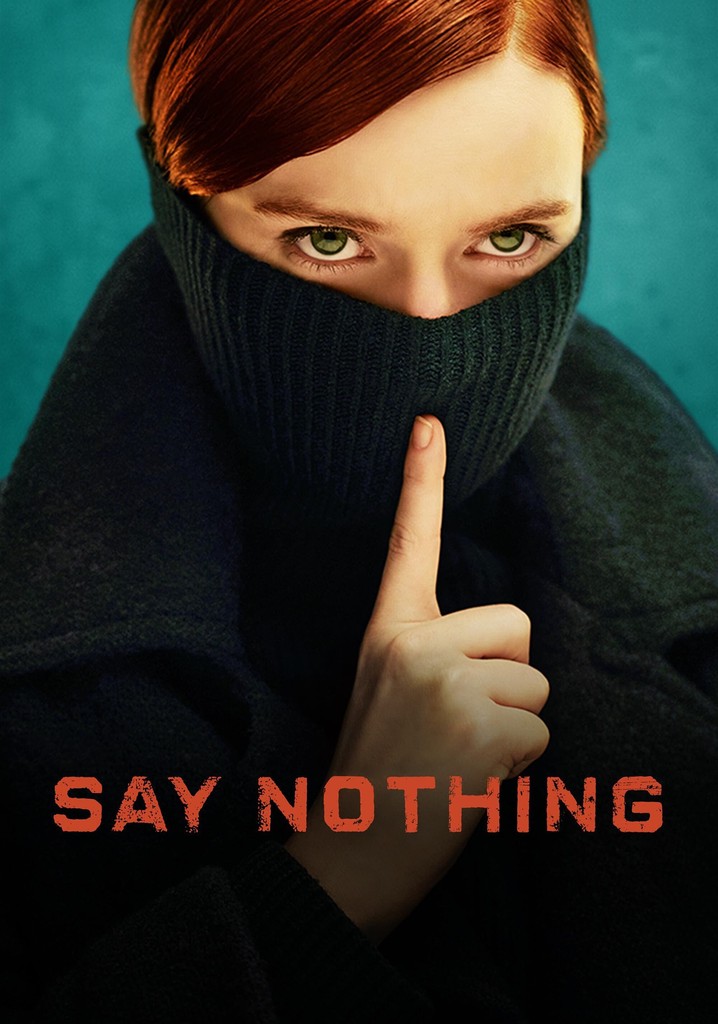
Based on Patrick Radden Keefe's acclaimed 2019 nonfiction book of the same name, Say Nothing is an extraordinary limited series that dramatizes one of the most harrowing episodes of the Northern Irish Troubles — the 1972 abduction and murder of Jean McConville, a widowed mother of ten taken from her Belfast home by the IRA. The series spans decades, tracing the lives of two young IRA volunteers — Dolours Price (Lola Petticrew in youth, Maxine Peake in later years) and Brendan Hughes (Anthony Boyle) — from their idealistic recruitment into the movement through the moral compromises and psychological destruction that followed. It is a story about what people do in the name of cause, country, and conviction, and what it ultimately costs them.
What makes Say Nothing exceptional is its refusal to simplify the moral complexity of the Troubles into a clean hero-villain narrative. The IRA volunteers at its center are shown as human beings — passionate, sometimes charming, sometimes monstrous — whose actions had devastating consequences that rippled across generations. The series benefits enormously from Keefe's rigorous source material, drawn from interviews with participants and surviving family members, creating a portrait of the conflict that feels both intimate and panoramic. The direction creates a period atmosphere so rich and convincing that it feels less like a reconstruction than a document.
The performances throughout are outstanding. Anthony Boyle brings a soulful intelligence to Brendan Hughes that makes his eventual disillusionment deeply moving, while Lola Petticrew is magnetic as the young Dolours Price — a woman of fierce conviction whose early idealism curdled, over years, into something much darker. The series premiered on FX/Hulu in November 2024 to unanimous critical praise, with particular attention paid to its unflinching depiction of trauma inflicted on the McConville family. Say Nothing stands as one of the finest historical dramas produced in the streaming era.
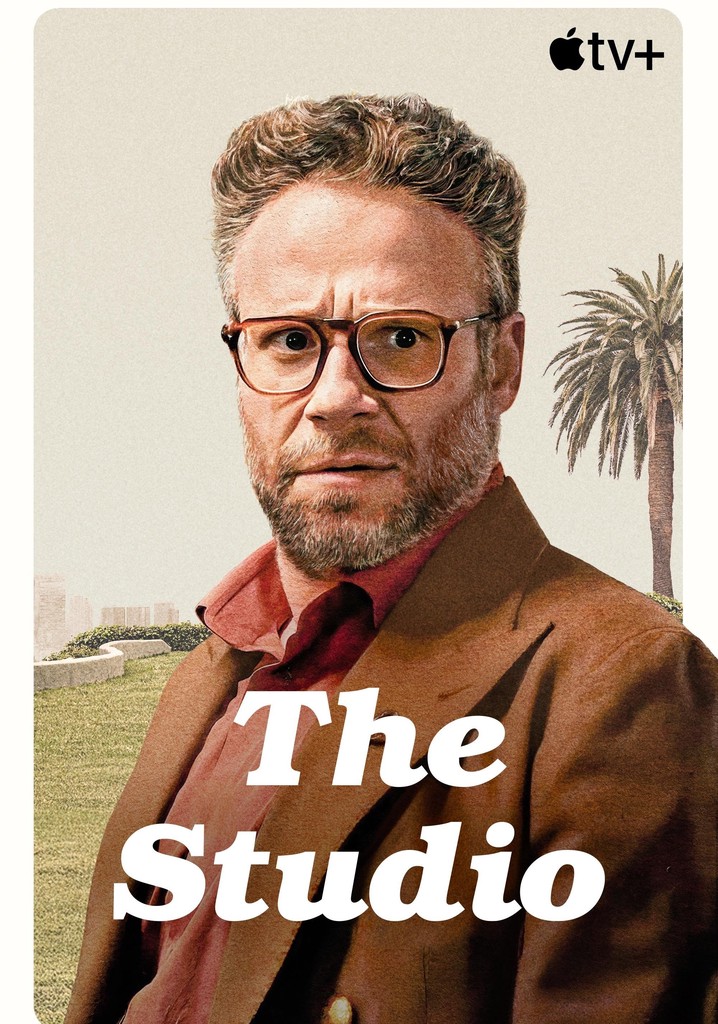
The Studio is Seth Rogen and Evan Goldberg's wickedly funny, surprisingly tender comedy series about the absurdity of running a major Hollywood studio in an era when every creative decision is filtered through algorithmic risk assessment and franchise mythology. Rogen plays Matt Remick, a lifelong cinephile who has somehow ascended to the head of Continental Studios — a man who genuinely loves movies, which makes him spectacularly ill-equipped to run a business that increasingly treats them as intellectual property delivery mechanisms. Each episode drops Matt into a fresh catastrophe: a prestige director's meltdown on set, a star demanding a private island as a shoot location, a sequel nobody asked for that everyone needs to protect their quarterly numbers.
The series operates as both a loving valentine to filmmaking and a forensic autopsy of Hollywood's self-destruction. Its finest trick is making Matt simultaneously the most competent person in any given room and a man incapable of exercising that competence without first sabotaging himself. The supporting cast — including Ike Barinholtz, Catherine O'Hara, and a rotating carousel of celebrity cameos from directors and actors playing warped versions of themselves — gives the show an energy that feels genuinely spontaneous despite meticulous production.
Rogen and Goldberg shoot The Studio with a visual confidence that signals they know they're making something for an audience that notices these things — long takes, deep focus compositions, and the occasional homage to the European auteur cinema Matt would kill to actually greenlight. The result is the rare Hollywood comedy that is as smart about the industry as it is genuinely funny, a show about loving something that keeps breaking your heart and making you laugh at the same time.
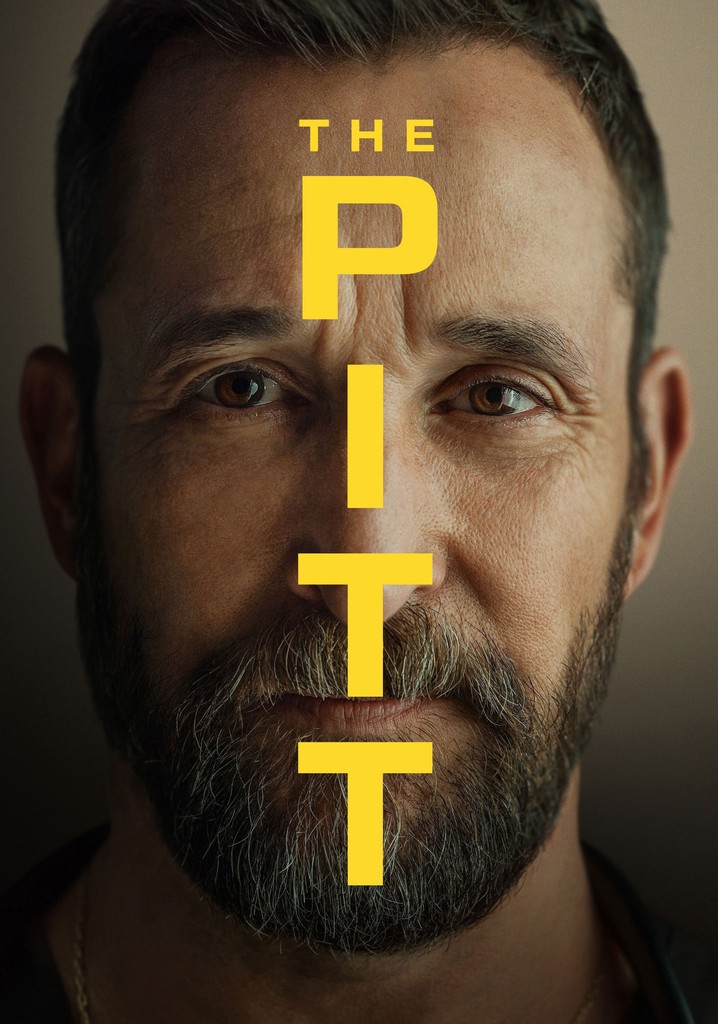
The Pitt is a gripping, technically brilliant medical drama from the creator of the original ER, John Wells, that follows a single fifteen-hour shift in the emergency department of a Pittsburgh trauma hospital. Each of the series' fifteen episodes runs in near-real-time, covering one hour of that shift, placing viewers in the thick of overlapping crises, institutional dysfunction, and the emotional cost borne by people who spend their working lives inches from death. Noah Wyle — returning to the medical drama genre for the first time since ER ended in 2009 — plays Dr. Michael Robinavitch, an attending physician trying to hold his department together while processing his own barely contained grief.
The show distinguishes itself from other medical dramas through its commitment to procedural accuracy — the production employed dozens of actual emergency medicine physicians and nurses as consultants, and the result is a working environment that feels disturbingly real. Patients arrive with actual triage codes, staff communicate in authentic medical shorthand, and the ethical dilemmas that arise — around resource allocation, patient consent, and end-of-life care — are treated with the seriousness they deserve rather than as dramatic devices.
The Pitt is not easy television. It places you inside a crucible of human suffering and expects you to endure it alongside characters you come to care about with startling speed. But it is also intensely rewarding — a reminder that the best network drama can be as morally serious and formally ambitious as anything produced for prestige cable or streaming. Wyle is extraordinary, and the ensemble around him ensures that every corner of the ER feels inhabited and alive.
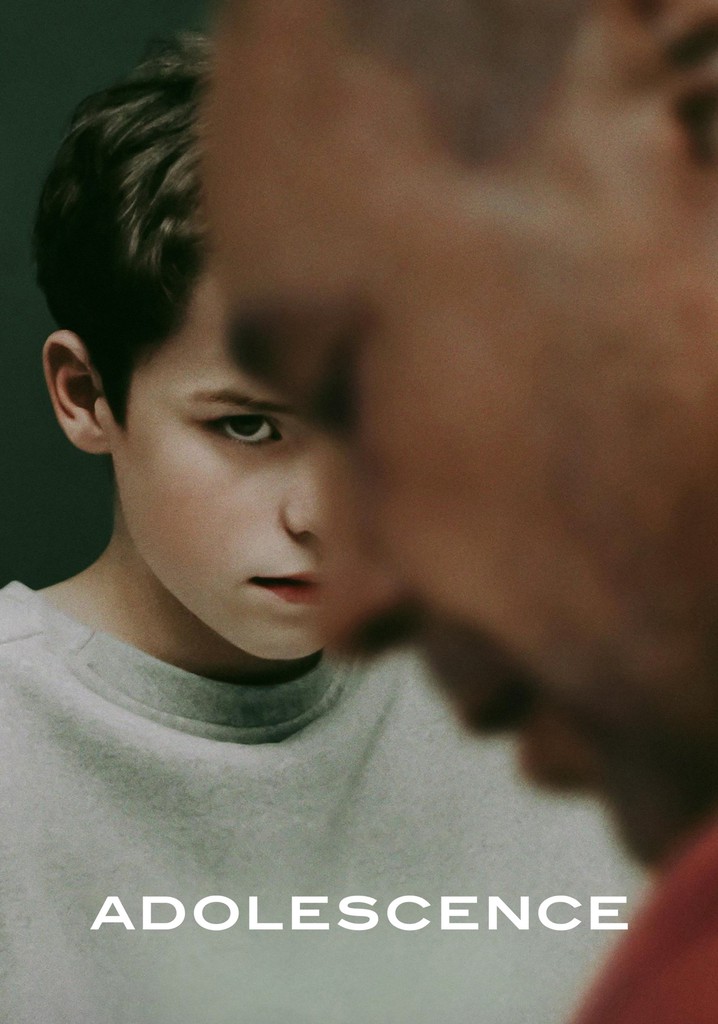
Adolescence is a devastating, formally audacious Netflix miniseries from writer Jack Thorne and director Philip Barantini that explores the aftermath of an unthinkable crime through a deceptively intimate lens. Each of the four episodes is filmed in a single unbroken take, placing the viewer in relentless real time alongside detectives, teachers, and a fractured family struggling to comprehend how their thirteen-year-old son came to kill a classmate. Stephen Graham — who also co-created and produced the series — plays the father, and his performance is one of the most nakedly human things committed to film or television in years.
The show resists the conventions of procedural drama, offering no traditional investigation timeline and no courtroom resolution. Instead, each episode focuses on a single environment — a police station, a school, a family home, a prison — and allows the emotional reality of each space to accumulate in real time without the relief of a cut. Barantini, whose feature Boiling Point pioneered this technique, executes the approach here with even greater ambition, staging scenes of extraordinary complexity with meticulous choreography invisible to the viewer.
What makes Adolescence exceptional is its refusal to explain evil. The series is less interested in why the crime happened than in what it does to everyone around it — how grief, guilt, and the desperate search for causation can consume families, institutions, and communities whole. It earned almost universal critical acclaim upon release and ignited a nationwide conversation in the UK about social media, online radicalization, and the opacity of teenage inner lives. For those who can bear it, Adolescence is essential television.
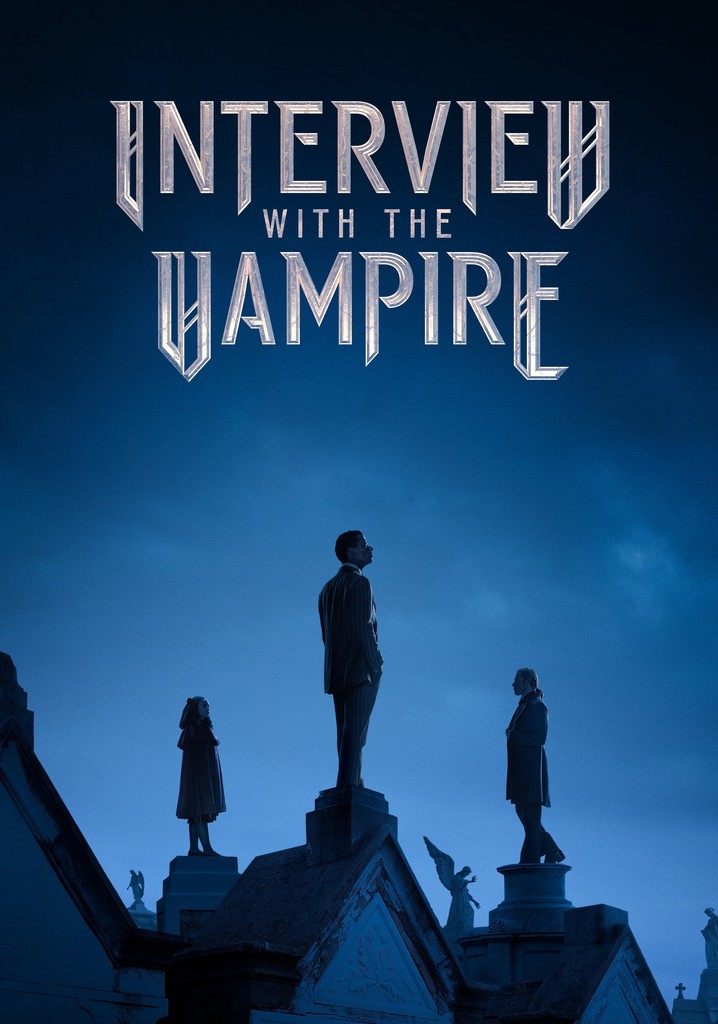
Interview with the Vampire is an American gothic drama series created by Rolin Jones for AMC, adapted from Anne Rice's landmark 1976 novel — the foundational work of modern literary vampire fiction. The series reimagines Rice's story with a significant and deliberate transformation: Louis de Pointe du Lac (Jacob Anderson), who in the novel is a white Louisiana plantation owner from the 18th century, is reconceived as a Black Creole man navigating New Orleans in 1910, at the intersection of Jim Crow racism, the Storyville vice district, and the moral intoxication of being turned into a vampire by the captivating and manipulative Lestat de Lioncourt (Sam Reid).
The shift in Louis's identity is not cosmetic — it fundamentally recasts the meaning of his submission to Lestat and the power dynamics that define their centuries-long relationship. Delainey Havis plays Claudia, the child vampire who is Rice's most disturbing invention, here given a richer backstory and more active moral agency. Eric Bogosian plays journalist Daniel Molloy, whose second interview with Louis in the present day frames the narrative and introduces an unreliable memory structure that allows the show to interrogate how trauma reshapes the stories survivors tell about themselves.
Interview with the Vampire premiered on AMC in October 2022 and was immediately received as one of the most ambitious vampire stories in television history, praised for its lush production design, the volcanic chemistry between Anderson and Reid, and Rolin Jones's willingness to genuinely update Rice's text for a contemporary audience rather than simply reproduce it. Anne Rice was involved in the development before her death in December 2021. The show has been renewed through multiple seasons and is considered among AMC's prestige flagship productions. It streams on AMC+ and the AMC app.
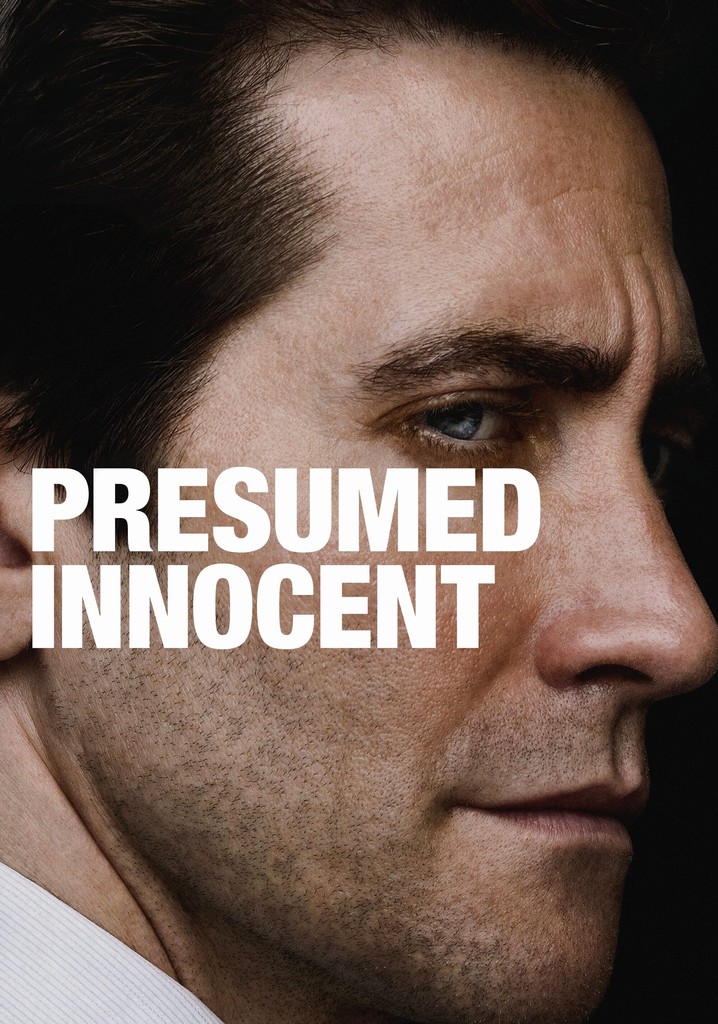
Presumed Innocent is a 2024 legal thriller limited series created by David E. Kelley for Apple TV+, adapted from Scott Turow's landmark 1987 novel — previously adapted as a 1990 theatrical film starring Harrison Ford. This eight-episode reimagining transplants the story to contemporary Chicago and deepens the novel's themes of institutional corruption, marital fracture, and the corrosive effects of secrets. It stars Jake Gyllenhaal as Rusty Sabich, a deputy prosecutor whose career and marriage become the casualties of an investigation into the murder of his colleague and secret lover, Carolyn Polhemus.
Ruth Negga co-stars as Barbara Sabich, Rusty's wife, who must decide what she knows and what she chooses to believe as evidence accumulates against her husband. The series also features O-T Fagbenle as Tommy Molto, the ambitious prosecutor building the case, Peter Sarsgaard as defense attorney Raymond Horgan, and Bill Camp in a key supporting role. David E. Kelley — the creator of The Practice, Boston Legal, and Big Little Lies — structures the narrative with the procedural precision that has defined his best work, while allowing the domestic and psychological dimensions of the story to carry equal weight to the courtroom sequences.
Presumed Innocent premiered on Apple TV+ in June 2024, drawing strong viewership for the platform and generating considerable critical discussion around Gyllenhaal's performance — an explicitly damaged, morally compromised protagonist he inhabits with controlled intensity. The series was praised for its fidelity to Turow's ambiguity about guilt and truth, its willingness to implicate the audience's sympathies, and Ruth Negga's deeply layered portrayal of a woman navigating an impossible situation without reducing her to victim or saint. It streams exclusively on Apple TV+.
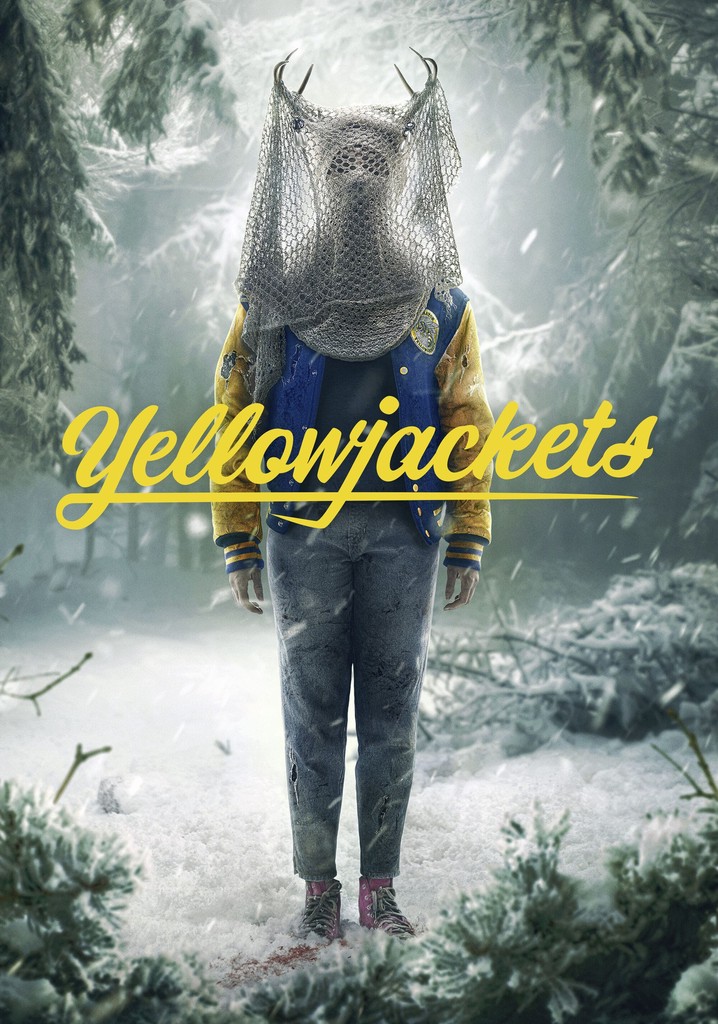
Yellowjackets is an American drama series created by Ashley Lyle and Bart Nickerson, which premiered on Showtime in November 2021. The series operates on two parallel timelines: one following a New Jersey girls' high school soccer team in 1996 who survive a plane crash in the remote Canadian wilderness and spend nineteen months there before rescue; the other following the adult survivors in 2021 as they grapple with the psychological aftermath, haunted by what they did to survive and by someone who seems to know their secrets. The show balances survival thriller, psychological horror, and black comedy with disarming tonal confidence.
In the past timeline, the teenage players are portrayed by Sophie Nélisse as the young Shauna, Jasmin Savoy Brown as young Taissa, Sophie Thatcher as young Natalie, and Samantha Hanratty as young Misty. Their adult counterparts in the present are played by Melanie Lynskey as Shauna, Tawny Cypress as Taissa, Juliette Lewis as Natalie, and Christina Ricci as Misty — a cross-generational casting pairing that has drawn significant critical praise. The wilderness sections lean increasingly into ritual, superstition, and an unresolved supernatural ambiguity that the series refuses to explain away.
Yellowjackets became one of Showtime's most-watched series premieres in more than a decade, earning Emmy nominations and quickly building a fervent online following drawn to its blend of Lord of the Flies survival psychology with adult noir conspiracy. The show has been renewed through multiple seasons. Critics have particularly praised Lynskey and Ricci's work in the adult timeline, and the series' refusal to resolve its central mystery on the audience's schedule. It streams on Paramount+ with the Showtime tier.
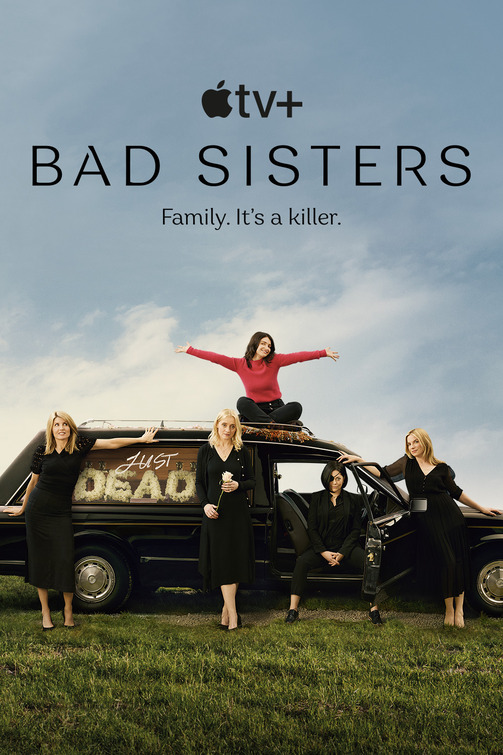
Apple TV+'s Bad Sisters is one of the most satisfying dark comedies of the streaming era — a deliriously entertaining Irish series about four sisters who conspire to murder their monstrous brother-in-law, John Paul Williams, before he can destroy what remains of their family. Created by Sharon Horgan and adapted from the Belgian series Clan, the show interweaves timelines between the murder plot and its aftermath with the precision of a thriller while never losing the warm, raucous family dynamic at its heart. The Garvey sisters — played by Horgan, Anne-Marie Duff, Eva Birthistle, and Sarah Greene — feel utterly, convincingly real.
What makes Bad Sisters sing is its ability to walk the knife-edge between comedy and genuine emotional devastation. Claes Bang is superbly loathsome as John Paul, a coercive, controlling husband whose behavior escalates with every episode — you root for his demise not because the show tells you to, but because it shows you, with harrowing specificity, exactly why he deserves it. The insurance investigators played by Daryl McCormack and Brian Gleeson add a comedic layer that somehow deepens rather than undercuts the show's dramatic tension.
Sharon Horgan has spoken about her desire to make a show that was simultaneously a tribute to the bond between sisters, a meditation on grief, and a procedural thriller that keeps audiences guessing. She succeeded on all three counts. Bad Sisters is television at its most confident and most humane — genre entertainment in service of something genuinely meaningful.
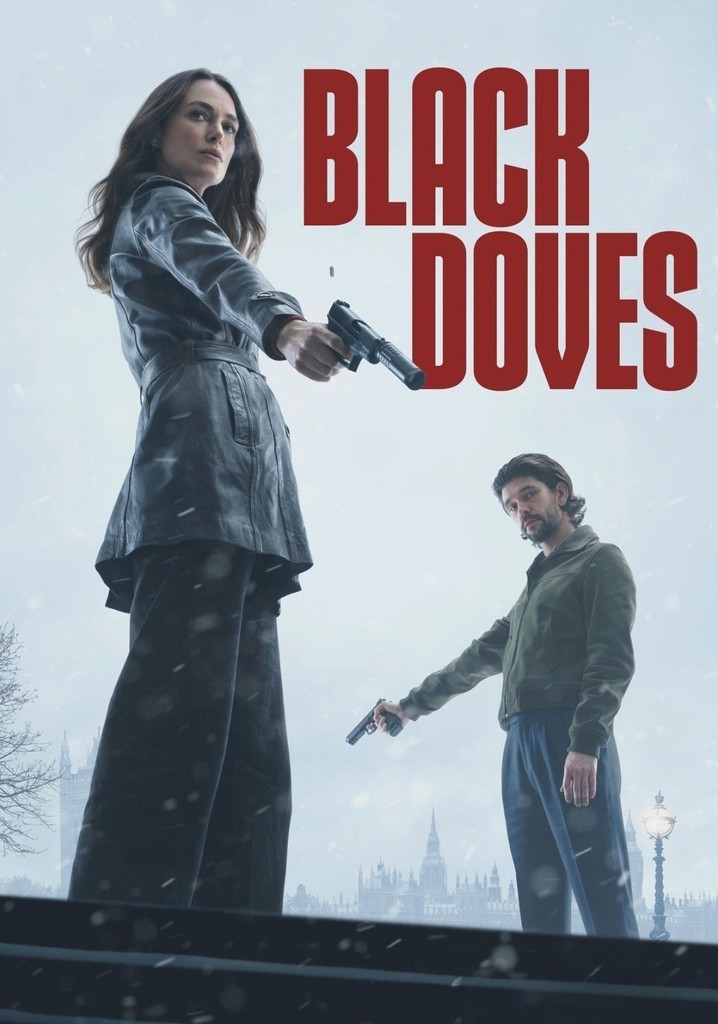
Black Doves (2024) is a six-part British espionage thriller from Netflix, created by Joe Murtagh, that works with deceptive efficiency — on the surface a sleek, stylish spy story set against a Christmas-lit London, and underneath a genuinely poignant character study about two people shaped entirely by violence and loss. Keira Knightley plays Helen Webb, who has spent years embedded in British political life as the devoted wife of a rising government minister, all while working as a spy for a clandestine organization known as the Black Doves. When her secret lover is murdered, Helen's carefully maintained double life begins to collapse, and she turns to Sam (Ben Whishaw), a fixer and former colleague, to help her find the killer and hold the fragments of her cover together.
What makes Black Doves more than its thriller mechanics is the relationship at its center. Helen and Sam are old friends reunited by crisis, and the dynamic between Knightley and Whishaw is the show's greatest asset — deeply felt, funny in unexpected moments, and built on a history the show parcels out gradually rather than explaining upfront. The direction keeps the action sequences clean and propulsive without becoming gratuitous, and the London setting — all Christmas markets and rain-slick streets — gives the show a texture that sets it apart from the anonymous globetrotting of lesser spy television.
Knightley gives one of the most controlled and surprising performances of her career: Helen is a woman who has learned to feel everything privately and show nothing, and the moments when that composure cracks are genuinely affecting. The supporting cast, which includes Sarah Lancashire in a chilling turn as the head of the Black Doves organization, sustains the pressure around the two leads without ever overpowering them. Black Doves is smart, assured television that respects its audience enough to let its silences do real work.